
 Free Consultation
 PCI-DSS Compliant
 GDPR Ready
 ISO 27001
 NDA Protected
 AI Services
 AI App Development
 Generative AI Development
 AI Chatbot Development
 AI Integration Services
 AI Consulting Services
 AI For Fintech
 Financial AI Assistant Solution
 Insurance AI Agent Solution
 Insurance Automation Software Solution
 Tech Stack
 OpenAI / GPT-4
 Claude / Anthropic
 Gemini / Google AI
 Llama / Open source
 LangChain / LlamaIndex
 Pinecone / Pgvector
 AWS / Azure AI


 Fintech Solution
 Core Fintech
 App Development
 Neobank Solutions
 eWallet Solutions
 Lending Software
 Banking Solutions
 BNPL Solution
 BNPL Solutions
 Insurance App
 Wealth Management
 Crypto & DeFi
 Blockchain Development
  Payroll Software
 DeFi Solutions
 Crypto Wallet
 Crypto On/Off Ramp
 Crypto Exchange
 Trading Platform
 Payments
 API Integrations
 Compliance
 Regulations & Compliance
 Fraud Detection
 Lending Ecosystem
 P2P Lending Platform
 Mortgage Software
 Engagement
 Fintech Outsourcing

 Mobile Solutions
  Mobile App Dev
 iOS App Development
 Android App Development
 React Native
 Flutter Development
 Web Solutions
 Node.js Development
 React.js Development
 Angular Development
 App Services
 UI/UX Design
 App Maintenance
 By Stage
 MVP Development
 Industry Solutions
 Healthcare App Dev
 Education App Dev
 Travel App Dev
 Real Estate App Dev
 Logistics Software
 Social Media App

 Mobile Developers
 Hire Developers
 Hire Mobile Developers
 Hire iPhone Developers
 Hire React Native Devs
 Web Developers
 Hire Node.js Developers
 Hire Angular Developers
 Hire PHP Developers
 Hire Laravel Developers
 How It Works
 Pre-Vetted Developers
 Ready In 48 Hours
 NDA From Day One
 Replace Guarantee
 Company
 About Us
 Our Work Process
 Portfolio
 Case Studies
 Blog / Insights
 Careers
 Contact Us
 Awards
 Recognition


 Offices


eWallet App Development Company - Secure Digital Wallets Built on Real Financial Infrastructure
Nimble AppGenie provides eWallet app development services for fintechs, telcos, and marketplaces in 50+ countries, designing PCI-DSS-compliant, KYC-integrated wallets from the ledger and transaction engine underneath to the app your users see. Builds typically run 3-6 months depending on wallet type and compliance scope.
 PCI-DSS
- KYC
- GDPR
- PSD2
- EFTA
- CCPA
- AML
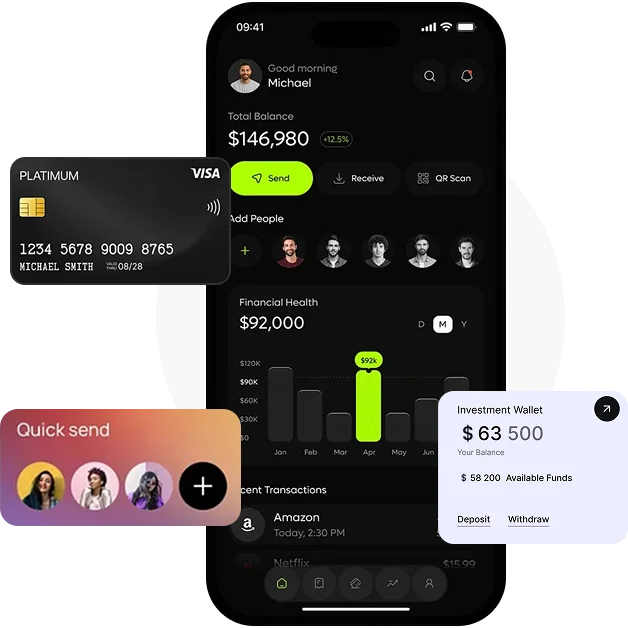
Trusted by Fintechs, Telcos, and Marketplaces Building on Digital Wallets

Maxpay

Multi-currency wallet platform supporting secure global payments and transfers.
 Bangladesh
SWAP Africa

Multi-currency wallet for cross-border payments across African markets.
 Africa
Pay by Wallet

Mobile payment platform built for secure and seamless digital transactions.
 USA
USACUT

E-wallet platform designed for convenient digital payments and wallet management.
 Myanmar
SatPay

eWallet platform built for Bitcoin payments services.
 Iraq
IraqeWallet Types We Build for Modern Digital Payments
Every wallet software development project starts with a model decision about who can hold funds, where they can spend them, and what compliance path that implies. Here's what we build and which model fits each.
 01
01
Closed-Loop Wallet
Funds can only be spent with the issuing brand - think retail loyalty balances, campus cards, or gift-card ecosystems. Users load funds, earn rewards, and redeem them, all within your ecosystem. Read more about closed-loop systems.
Best for: Single-brand retail, loyalty programs, service providers.
02
Semi-Closed Wallet
Users can spend funds with selected merchants or service providers within an approved network, enabling them to load money, make payments, earn rewards, and redeem balances across participating businesses securely.
Best for: Marketplaces, campus/coalition networks, and fintech startups.
03
Open-Loop Wallet
Functions like a bank account - ATM withdrawals, payments, and peer-to-peer transfers anywhere the underlying card network is accepted. Read more about open-loop systems.
Best for: Bank-grade consumer wallets, fintechs competing with neobanks.
04
Merchant Wallet
A wallet built to accept payments, not just hold them - QR checkout, settlement reporting, in-store and online acceptance, and dispute handling for merchants rather than consumers.
Best for: Point-of-sale networks, acquirer-partner models, and merchant-facing platforms.
Custom Build, White-Label, or Embedded Wallet - Which Fits Your Timeline?
Not every digital wallet platform development project needs to be built from zero. The right path depends on differentiation, speed to launch, and whether wallet functionality is your core product or a feature inside something else.


Custom eWallet Development
Built from scratch around your exact wallet model, compliance scope, and feature set. Full ownership of the codebase and architecture - the right choice when your wallet’s behavior (fee logic, agent network, ledger structure, reward mechanics) is core to your competitive advantage and off-the-shelf modules won’t fit it.
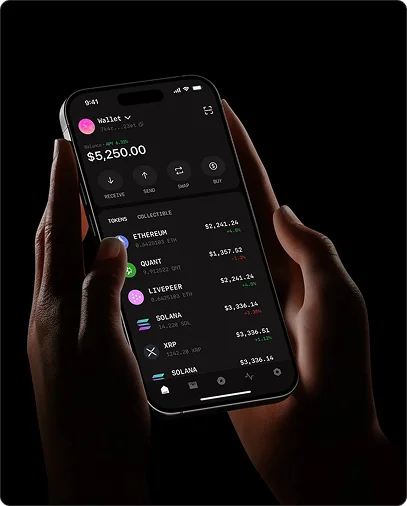
Best for: Fintechs and telcos where the wallet is the product. 3-6 months depending on wallet type (see cost table below)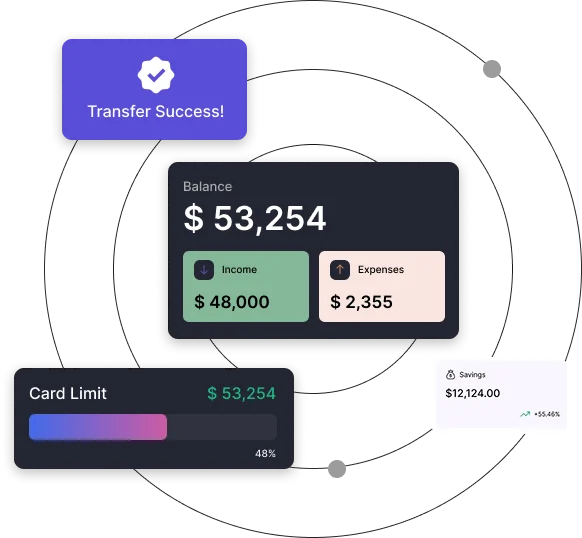


White-Label eWallet
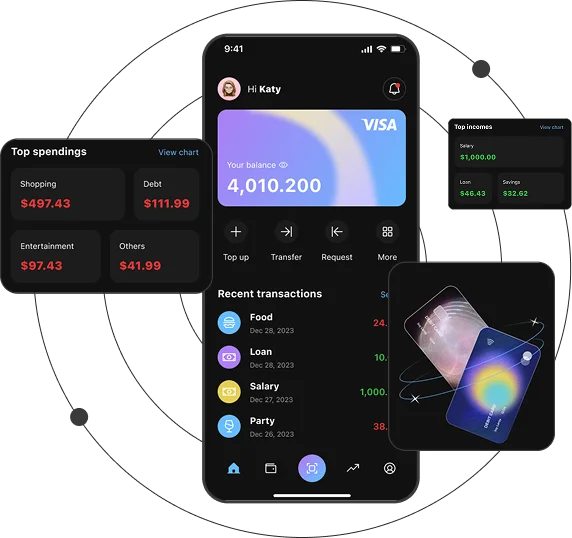
A pre-built wallet framework - ledger, compliance scaffolding, core transaction flow, and admin tooling already in place - that we brand, customize, and extend for your business. You get to market rapidly and at lower cost than a full custom build, with the trade-off of somewhat less flexibility in core transaction logic unless we extend the framework specifically for you.
Best for: Businesses that need a wallet live quickly to validate a market or launch a loyalty/rewards program, without needing to differentiate on financial-engine behavior. Weeks to a few months, depending on how much customization is required beyond branding and configuration.Embedded Wallet Development
Wallet functionality added inside an existing app or platform, rather than shipped as its own standalone app - payouts, balances, or stored value that live inside a marketplace, SaaS product, or gig-platform your users already use.
Best for: Platforms adding payment/payout capability as a feature (gig-worker payouts, marketplace seller balances, in-app stored value) rather than launching wallet as a standalone consumer product. 8-16 weeks, depending on integration complexity, customization, compliance requirements, and the existing platform’s architecture.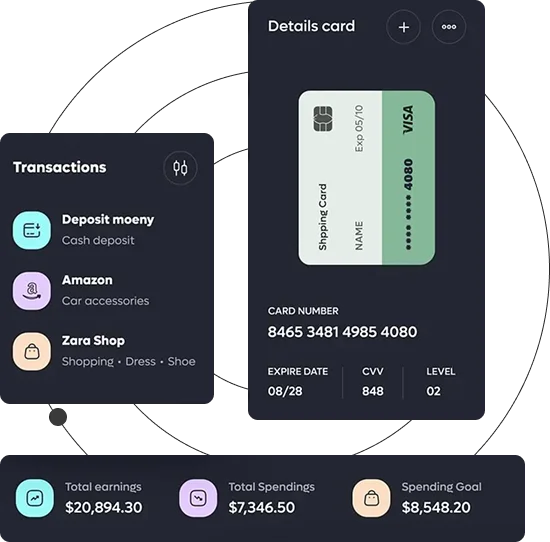
Which one is right for you?
We walk you through this during Discovery & Strategy (see our process below) - mapping your target wallet model, budget, timeline, and licensing path together, rather than assuming custom-by-default.
The Financial Engine Behind the App
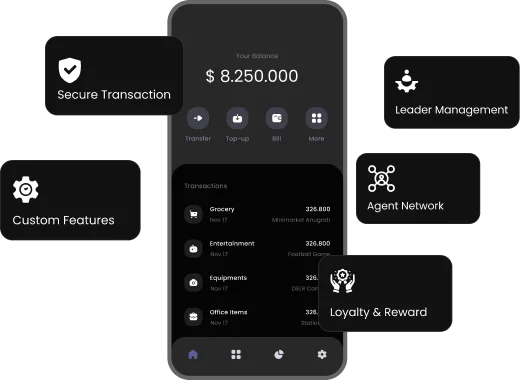
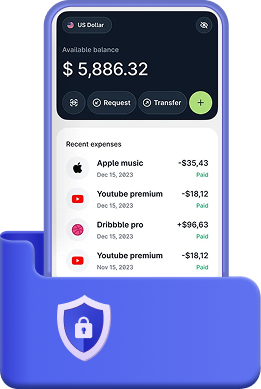
A wallet is not just a UI on top of a database - it’s a financial system that has to get money movement right every time, reconcile against banking partners, and hold up to regulatory audits. This is the layer most e-Wallet app development conversations skip. We don’t.

Ledger & Account Model
Every wallet we build runs on a double-entry ledger - every transaction posts as a matched debit and credit, keeping balances accurate, auditable, and ready for transfers, refunds, and reconciliation.

Transaction Processing & Payment Orchestration
Transactions route through a single orchestration layer that can call multiple gateways, processors, or rails, relying on cost, region, and reliability so a slow or unavailable provider doesn’t fail the transaction.

Settlement & Reconciliation
Money moving between your wallet, processors, and banking partners has to reconcile - every transaction matched, and discrepancies flagged. We build workflows that automatically surface unmatched transactions for review.

Fees, Commissions & Limits
Configurable fee logic (percentage, flat, or a combination), fee-bearer rules, and transaction limits by count, amount, or time period - all manageable without a code change once built.

Compliance & Monitoring
Transaction monitoring, audit logging, and AML alerting run consistently - not just at onboarding. Suspicious patterns get flagged for review, accounts can be frozen pending investigation, and every action is logged for regulatory audit.
 Features
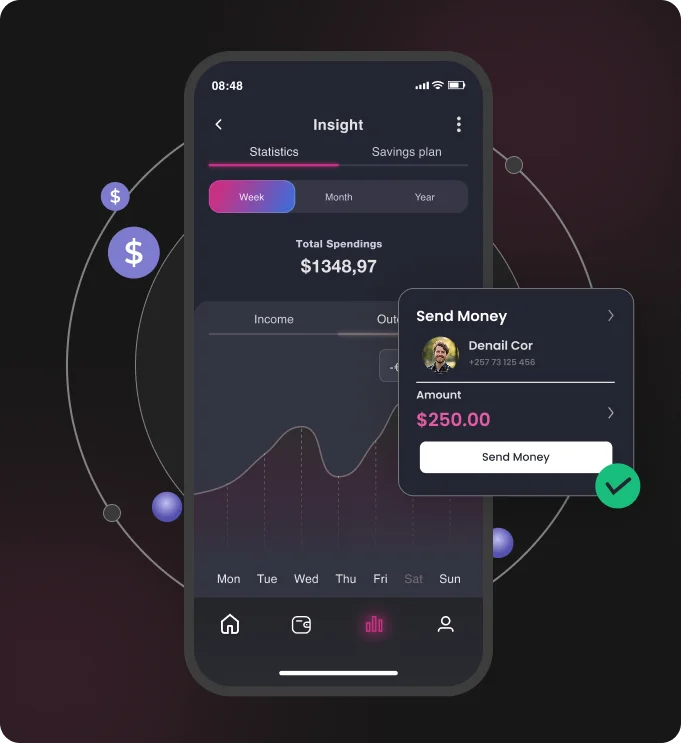
What's Inside Your eWallet
Organized by who uses it - your customers, your agents, your merchants, and your operations team that ties them together.
 01
01User Registration
Sign up via mobile, social login, email, or biometric onboarding, with KYC checks running as an automated adapter step.
02KYC & AML Verification
An automated check first verifies identity documents alongside manual back-office review as a fallback; document requirements adjust by jurisdiction.
03Add Funds to Wallet
Top up via card, UPI, bank transfer, routed through the orchestration layer - a failed top-up can retry through another provider.
04Money Transfer (P2P/P2B)
Transfers post as an atomic, double-entry ledger transaction - held then released - so a transfer can’t leave one account debited without the other credited.
05Utility Bill Payments
One-time or scheduled bill pay with provider reconciliation and clear transaction states - completed, failed, pending, or reversed.
06Transaction History / e-Statement
An append-only, immutable log, filterable by counterparty, status, and fee that also serves as an audit trail for disputes.
07QR Code Payments
Scan-to-pay for peer transfers and merchant checkout, with real-time balance validation before authorization.
08NFC Payment
Tap-to-pay for in-store contactless transactions, with card data tokenized rather than stored raw.
09Remittance & Currency Exchange
Cross-border transfers with real-time FX rates, built on the multicurrency ledger structure, not bolted on as a separate feature.
01Merchant Registration
Onboarding with document upload and its own KYB checks, different from consumer KYC.
02Interactive Dashboard
Dispute queue, settlement status, and authorization rates - not only a sales total.
03Custom QR Code
Static or dynamic, branded, bound to the merchant’s ledger account for instant settlement visibility.
04Payments Tracking
Live payment and refund tracking reconciled against processor statements via webhook.
05Offers & Discounts
Campaign rules are applied at authorization time, with fee-balance segregation on the ledger.
06Merchant Reporting
Settlement, chargeback, and sales reports scoped to this merchant's own activity.
01Agent Registration & Verification
Onboarding with KYC checks before activation.
02Fund Deposit / Withdrawal Request
Cash-in and cash-out processing for users without direct bank access - core to telco and remittance models.
03Commission Management
Automatic commission calculation, tied to the fee/limits engine rather than a standalone calculation.
04Agent Tier Management
Tiered permissions and commission rates by agent level.
05Agent Reporting
Commission earnings and float-balance reports scoped to this agent's activity.
01User & Merchant Management
KYC status, feature flags, and limits, with a full audit trail of every admin action.
02Transaction Management
Reconciliation against provider statement, manual adjustment, dispute handling - all logged immutably.
03Fee & Limit Configuration
Set and adjust fee models and transaction limits platform-wide, tied to the Financial Core engine.
04Security Management
Fraud rules, access controls, and velocity limits, configurable per jurisdiction.
05Platform Reporting
Platform-wide compliance and audit reports, distinct from merchant- or agent-level reporting.
06Auto-Backups
Scheduled backups with point-in-time recovery.
Markets We ServeeWallet Development Aligned to Your Market
Build an eWallet that fits your target market, user expectations, and regulatory landscape. We develop market-ready solutions with the right compliance and payment standards built in from the ground up.
 US
USUnited States
State-level money transmitter licensing applies across much of the US. FinCEN registration, BSA/AML obligations, and PCI DSS requirements shape the compliance and security architecture for wallet products.
- FinCEN
- PCI-DSS
- MTLs
- BSA/AML
- CFPB
 GB
GBUnited Kingdom
Payment and e-money wallets may require FCA authorization depending on the operating model. Safeguarding, UK payment regulations, Open Banking standards, and data protection requirements influence the product architecture.
- FCA EMI
- PSRs 2017
- Open Banking
- UK GDPR
 AE
AEUAE
The CBUAE regulates stored-value and retail payment activities through dedicated licensing frameworks. Wallets involving virtual assets may also fall under separate regulatory requirements depending on their functionality and business model.
- CBUAE
- SVF
- RPSCS
- AML/CFT
- VARA
 African Markets
African Markets
Wallet regulations differ significantly across African countries, with central-bank licensing and mobile-money frameworks shaping local deployments. MNO partnerships, interoperability, USSD, and financial-crime controls are common considerations.
- CBN
- CBK
- SARB
- BoG
- AML/CFT
Enterprise-Grade Security
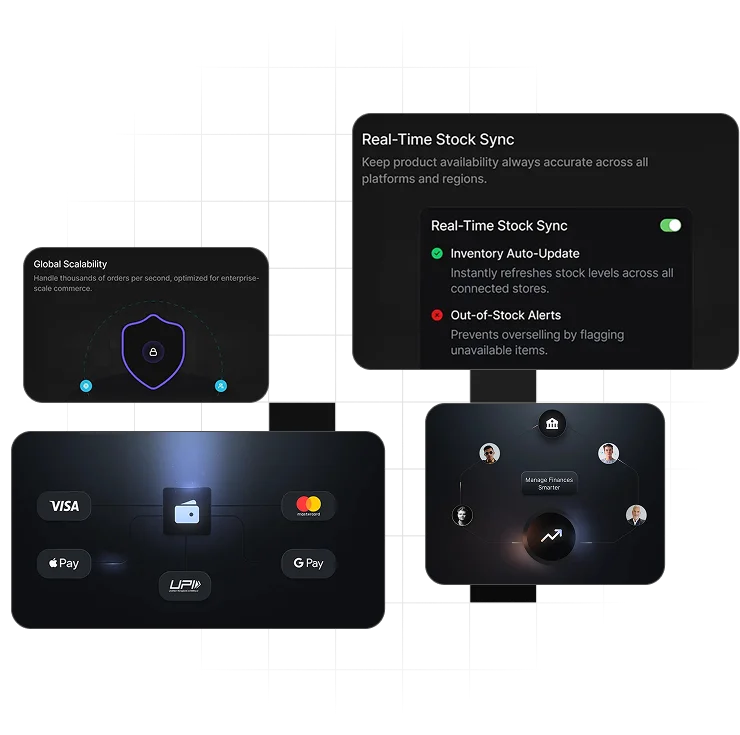
Security isn't a feature we add at the end; it's built into how transactions and data move through the system from day one. See our full guide to eWallet security.

Tokenization
Card and account data are replaced with tokens at capture; raw sensitive data never touches app storage.
HSM Encryption
Hardware Security Modules protect cryptographic keys used for signing and encrypting transactions.
End-to-End Encryption
Data is encrypted in transit and at rest across every service the transaction touches.
Fraud Monitoring
Real-time fraud and risk detection running against every transaction, not sampled after the fact.
REVIEWED BY EXPERTReviewed by Expert

REVIEWED & APPROVED BY
 eWallet development is more than building a payment flow — it's building a regulated financial institution in software form. The ledger, compliance layer, and settlement engine must be designed right from the first sprint. Bolting them on after launch is the single most expensive mistake in fintech product development.
Niketan Sharma
|CTO, Nimble AppGenie Clutch 5.0 Rated
 ISO 27001 Certified
 PCI-DSS Compliant
 GoodFirms Top Company
- 8+
Years fintech
- 150+
Solutions built
- 50+
Countries
IntegrationWhat Your Wallet Connects To
A wallet is only as useful as what it connects to. Here's what we integrate, organized by function.
- Stripe
- PayPal
- Adyen
- Square
- Alipay
Apple Pay and Google Pay wallet provisioning, including network-token provisioning and NFC-based payment flows.
- ACH
- SEPA
- SWIFT
- UPI and other regional payment rails
Where a licensed banking partnership or BaaS provider is required, we integrate the appropriate banking infrastructure for your target market.
Automated identity verification with manual back-office fallback and jurisdiction-specific document requirements.
KYC/KYB, AML screening, identity verification, document checks, and ongoing compliance workflows.
- Visa
- Mastercard
- Card issuing
- BIN sponsorship
Card-program integration and issuing infrastructure, where supported through appropriate regulated partners.
Technology Stack for eWallet Development
The technology underneath the wallet is chosen for reliability and scale, not novelty.
FRONTEND
- HTML
- CSS
- Angular JS
- React JS
- Vue JS
- Next.js
BACKEND
- NET
- Java
- Python
- PHP
- Node.js
- Go
MOBILE
- iOS
- Android
- Ionic
- Flutter
- React Native
CLOUD & INFRASTRUCTURE
- Google Cloud
- AWS
- Azure
- DigitalOcean
ComplianceCompliance Built In, Not Bolted On
Compliance shapes the architecture from day one - it isn't a checklist applied after the build is done.
PCI DSS

Card data handling scoped to remove raw PAN storage from your systems wherever tokenization applies — reducing your compliance burden, not just checking a box. Read more
KYC / AML

Automated identity verification with manual fallback; suspicious-activity monitoring runs continuously, not just at onboarding.
PSD2 & Open Banking

Strong Customer Authentication (SCA) built into transaction flows above regulatory thresholds; open-banking connectivity where your market requires it.
GDPR & CCPA

Data minimization and right-to-erasure handled at the architecture level for EU and California users alike. Read more
Let's Scope Your Wallet
Tell us your wallet model, timeline, and compliance scope. Whether it's mobile wallet development or a web-based dashboard, we will map out the right build path.
eWallet App Development Cost by Wallet Type
| Wallet Type | Typical Cost Range | Best For |
|---|---|---|
| Closed-Loop Wallet | $15,000 – $35,000 | Single-merchant or single-brand loyalty wallets |
| Semi-Closed Wallet | $35,000 – $60,000 | Marketplaces with a registered merchant network |
| Open-Loop Wallet | $60,000 – $150,000+ | Bank-grade wallets with ATM withdrawal and external transfers |
| Merchant / B2B Wallet | $50,000 – $120,000+ | Payment acceptance, merchant balances, and payout infrastructure |
| Multicurrency / Enterprise Wallet | $100,000 – $300,000+ | Cross-border platforms and high-volume transaction processing |
| White-Label Wallet | $40,000 – $100,000+ | Fastest path to market using a pre-built framework |
Note: Ranges exclude ongoing fees; final costs vary based on scope, features, integrations, compliance requirements, and transaction volume.
Case StudiesWallet Projects We Have Delivered
Swap Africa - Multi-Currency Wallet

A cross-border, multi-currency wallet built for the African market.


 iOS, Android & Web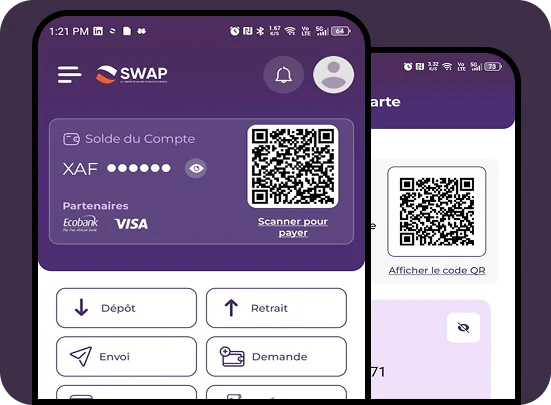
SatPay
eWallet platform for digital payments, money transfers, and everyday financial services.
AndroidiOS & web 5-member team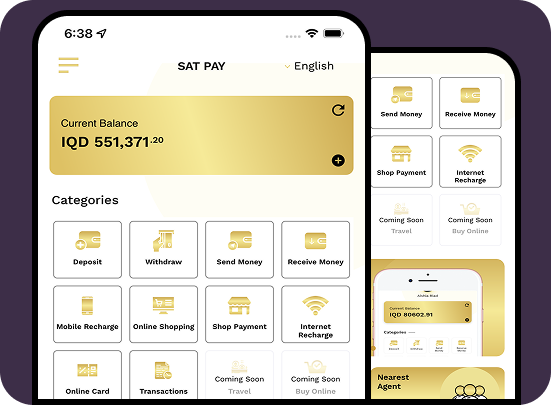
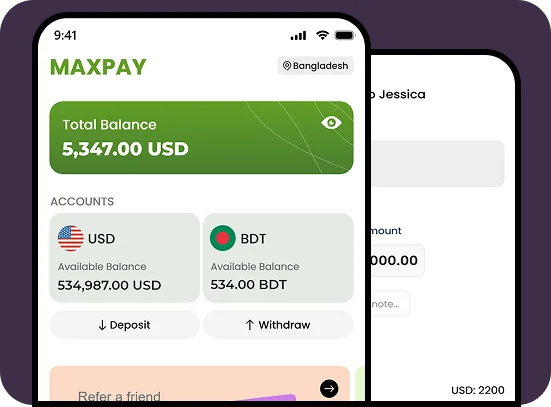
MaxPay
A multi-currency payment and wallet platform built for international payments.
CUT
A multi-currency e-wallet built for the China and Myanmar markets, supporting RMB and MMK with QR-based payments.
 China & Myanmar live
 RMB + MMK supportiOS & Android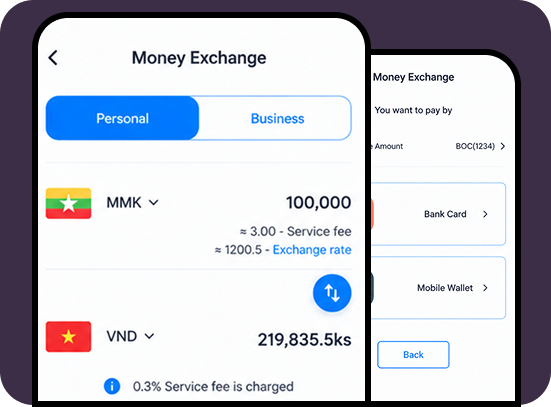

Discovery & Strategy
Wallet-model selection and licensing-path evaluation happen here, before development starts.

Compliance & Regulations
Mapping the compliance scope - PCI-DSS, KYC/AML, PSD2, and regional requirements to your wallet model.

UI/UX Design
Interface design for each user role: customer, merchant, agent, admin.

Our Agile Roadmap to eWallet Development

Development & Integration
Ledger, feature, and integration development in parallel sprints.

QA & Security Testing
Functional, load, and security testing before release.

Deployment & Maintenance
Launch support and ongoing maintenance.
TestimonialsWhat Clients Say
 Nimble AppGenie has been a trusted technology partner for over three years. Their professionalism, dedication, and responsiveness are exceptional. The team truly feels like an extension of ours.
Jules, CTO, Swap Africa
 Nimble AppGenie understood our vision and turned it into a secure, user-friendly eWallet platform. Their team made the development process smooth while delivering the multi-platform experience we needed.
Przemyslaw, CEO, SatPay
Nimble AppGenie Reviews
5.0
14 reviews

5.0
“Their project management was excellent”
CEO & Co-Founder, Bunk
 Verified Review
5.0
“Their attention to detail and the client’s needs are first class”
Founder, StepbyStepfitness
Verified Review5.0
“Every step of the project, I was comfortable that they had everything under control”
CEO, Wade Property
Verified Review5.0
“They were always looking to maximize the benefit I could get from the web app ”
CEO, E-Commerce Company
Verified ReviewWhy Choose Nimble AppGenie
As a digital wallet development company, we build the financial engine beneath the app, not just the interface on top.
Wallet-specific delivery experience
Wallet products delivered across closed-loop, multicurrency, and telco models.
Financial infrastructure, not just app UI
Double-entry ledger, orchestrated payments, and reconciliation built into every wallet.
Compliance from day one
PCI-DSS, GDPR, PSD2, KYC/AML, and ISO 27001 built into the process, not retrofitted.
Transparent cost and timeline
A wallet-by-wallet cost breakdown, published on our own site.
FAQ!
Addressing your queries regarding eWallet App Development

As an eWallet app development company in the USA, we build the financial infrastructure underneath the app ledger, orchestration, and reconciliation, not just the UI, across closed-loop, semi-closed, open-loop, and multicurrency wallet models.
Custom gives you full control and differentiation. White-label uses a pre-built framework for faster launch. Embedded adds wallet functionality inside a product you already have.
Closed-loop and semi-closed wallets generally don't require a banking license. Open-loop wallets typically require an e-money/banking license or a BaaS partnership; we help map this during Discovery.
Every transaction posts as a matched debit and credit, with sub-ledgers separating user balances from fee income, auditable after the fact, not just displayed correctly in the app.
Building an eWallet app typically costs $15,000 to $300,000+, depending on the wallet type, features, integrations, security, and compliance requirements. A basic closed-loop wallet may cost $15,000–$35,000, while a complex multicurrency or enterprise wallet can exceed $300,000.
At a high level: define the wallet model and licensing path, design the ledger and transaction engine, integrate KYC/AML and payment rails, then build the user-facing app on top. See our Financial Infrastructure section above for the detailed breakdown.
Yes, alongside full-project delivery, we also place eWallet app developers into existing teams for ongoing or in-flight builds.
Our Presence

Houston, USA

10685-B Hazelhurst Dr. #24641 Houston, TX 77043, USA


London, UK 
27 Old Gloucester Street, London, WC1N 3AX, United Kingdom

Toronto, Canada
401 Bay Street, Toronto, ON M5H 2Y4, Canada

Dubai, UAE
Central One District C1 Building, Level 1, DWTC District, Dubai, UAE
Accreditations & Technology Partners


Niketan Sharma
CTO, Nimble AppGenie
