

 Free Consultation
 PCI-DSS Compliant
 GDPR Ready
 ISO 27001
 NDA Protected
 AI Services
 AI App Development
 Generative AI Development
 AI Chatbot Development
 AI Integration Services
 AI Consulting Services
 AI For Fintech
 AI Financial Assistant Solution
 AI Insurance Agent Development
 Tech Stack
 OpenAI / GPT-4
 Claude / Anthropic
 Gemini / Google AI
 Llama / Open Source
 LangChain / LlamaIndex
 Pinecone / Pgvector
 AWS / Azure AI


 Fintech Solution
 Core Fintech
 Fintech App Development
 Neobank App Development
 eWallet App Development
 Lending Software
 Banking Software Development
 BNPL Solution
 BNPL App Development
 Insurance App
 Wealth Management App
 Blockchain Development
 Payroll Software Development
 DeFi App Development
 Crypto Wallet Dev
 Crypto On Ramp Off Ramp
 Crypto Exchange Dev
 Trading Platform Dev
 Payments
 Compliance
 Fintech & Digital Regulations
 Fraud Detection
 Lending Ecosystem
 P2P Lending Platform
 Mortgage Software
 Engagement
 Outsourcing Dev

 Mobile Development
 Mobile App Dev
 iOS App Development
 Android App Development
 React Native
 Flutter Development
 Web Solution
 Node.js Development
 React.js Development
 Angular Development
 App Services
 UI/UX Design
 App Maintenance
 By Stage
 MVP Development
 Industry Solutions
 Healthcare App Dev
 Education App Dev
 Travel App Dev
 Real Estate App Dev
 Logistics Software
 Social Media App

 Hire Mobile Developers
 Hire iPhone Developers
 Hire Android Developers
 Hire React Native Devs
 Hire Flutter Developers
 Hire Web Developers
 Hire Node.js Developers
 Hire Angular Developers
 Hire PHP Developers
 Hire Laravel Developers
 How It Works
 Pre-Vetted Developers
 Ready In 48 Hours
 NDA From Day One
 Replace Guarantee
 Company
 About Us
 Our Work Process
 Portfolio
 Case Studies
 Blog / Insights
 Careers
 Contact Us
 Awards
 Recognition


 Offices



In a Nutshell:
- AI in music streaming apps is the implementation of algorithms, machine learning, and generative tools to personalize the user experience.
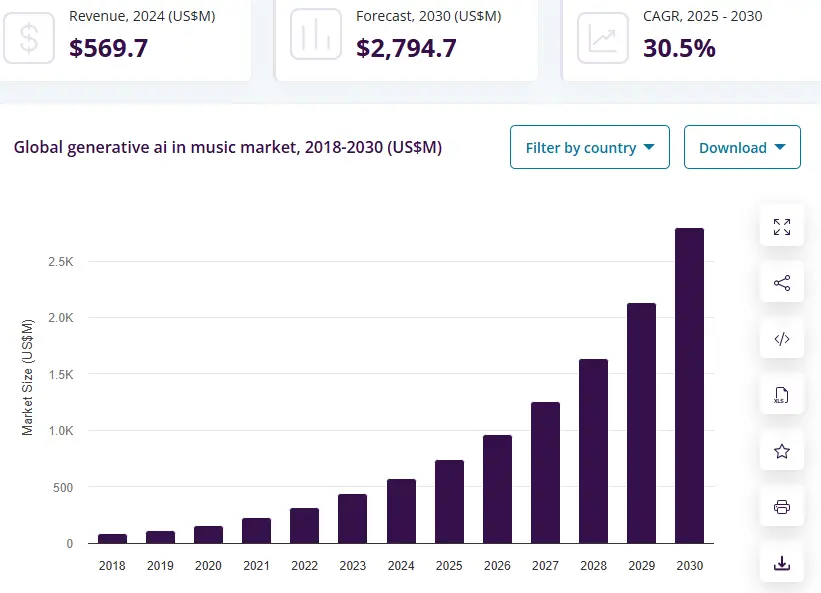
- The AI Music streaming market is projected to reach USD 2,794.7 million by 2030.
- The core benefits of using AI in music apps are that it helps in unleashing creativity, fosters the music production process, and provides real-time access for live streaming.
- The role of AI in music apps is to offer personalization, enhance music production, provide customized playlists, and use AI text to music creation.
- The key challenges of AI in music streaming apps are a lack of skilled developers, privacy concerns, technical complexity, and compliance regulations.
- Partnering with Nimble AppGenie can help you to build an AI-based music apps providing trending opportunities to the users.
AI is not the future; it is the present. Ignoring it cannot be an option in 2026.
Whatever industry you name, AI brought revolution. For music streaming, AI has changed the way people interact with music apps
If you are wondering “what magic can AI in Music Streaming Apps do?”
Then you should know that personalization via AI helped music apps to analyze the listening habits, skips, and mood patterns to deliver a user-centric playlist.
Apart from this, AI in music apps forecasts trends and optimizes release timings.
Want to learn more? We have covered it all, from market, role, challenges, and AI technologies.
Relax, and walk with us in this guide to AI in music streaming apps.
Market Size of Music Streaming Apps
Before you get ahead with the role of AI in music streaming apps, let’s learn evaluate the music streaming market statistics, first.
- The global music streaming market size is projected to reach USD 108.39 billion by 2030, growing at a CAGR of 14.9% from 2025 to 2030.

- However, the global generative AI in music streaming market size is expected to reach USD 2,794.7 million by 2030.
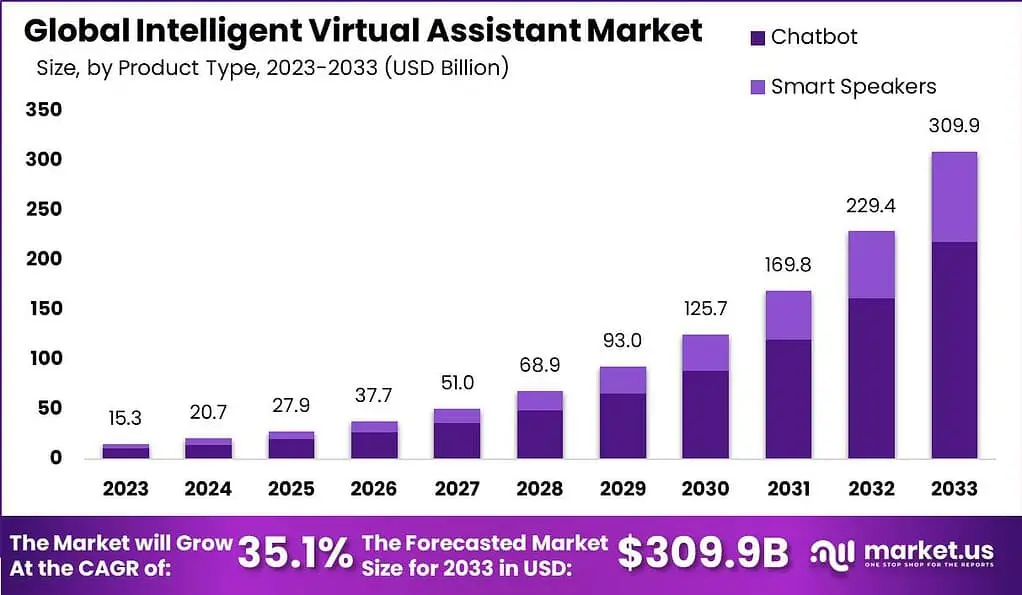
- Additionally, the global intelligence virtual assistant market is projected to reach the market revenue of USD 229.4 billion by 2032, with an impressive USD 309.9 billion by 2033.
- AI-generated music is anticipated to contribute to a 17.2% increase in revenue in the music industry by 2025.
- Generation Z is much more open to AI being used in the production of music. Nearly half of the Gen Z respondents stated they would be interested in listening to music produced by AI.
Amazed to see this wide scope in the market?
Well, then you should know, actually, what AI is in a music streaming app?
Switch to the following section.
What is AI in a Music Streaming App?
AI in music streaming apps refers to algorithms, machine learning, and generative models that personalize user experiences and create new content.
This technology powers recommendation engines, voice search, and mood-based music selection that helps to detect streaming fraud.
With artificial intelligence in music apps, users can get personalized content that helps to analyze the listener’s habits and provides the reasons to select a particular song.
As we learned that AI is the present, and to build a music streaming app, it’s crucial to learn AI, then let’s get ahead with the list of benefits, in the following section.
What are the Benefits of AI in Music Streaming Apps?
What are the advantages of using AI in music streaming apps?
Here’s a defined list to follow :
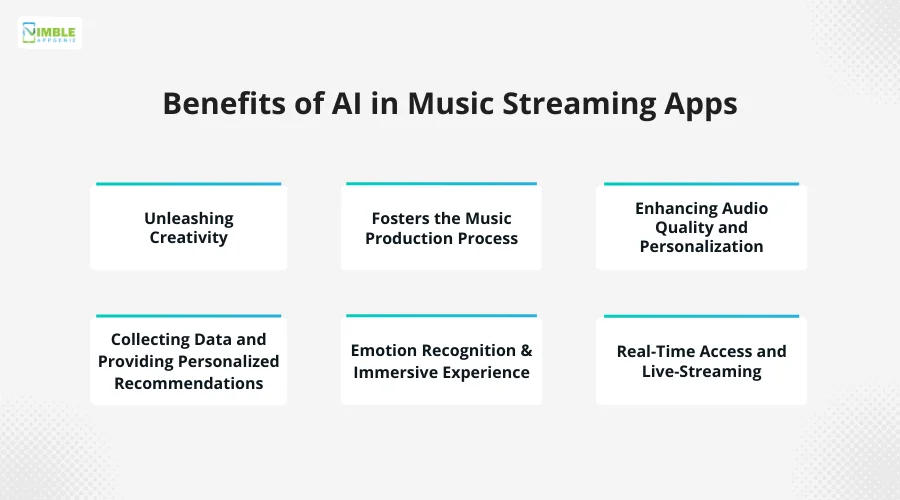
► Unleashing Creativity
One of the benefits of using AI in music streaming is the freedom for the creators. Additionally, users can consider AI music tools to be a powerful collaborator for generating creative ideas. Using AI for music streaming apps can help improve the overall performance of an app through creativity.
► Fosters the Music Production Process
With the implementation of AI in music streaming apps, these algorithms can also analyze a track’s audio and might make real-time suggestions for improvements. These tools can help generate new pieces of a track by evaluating the diversified music patterns, styles, and structures.
► Enhancing Audio Quality and Personalization
AI is playing an important role in improving the total audio quality of the music streaming app.
AI-based technologies, including machine learning models for audio enhancement. They can also optimize the complete sound quality by adjusting the equalization and its overall volume levels.
► Collecting Data and Providing Recommendations
With the implementation of AI, you can collect wide data and use it for the user’s benefit. Here, with the help of this data, you can provide personalized recommendations.
Through AI-driven music, promotion can save the user’s time and resources, so the users can focus more on the creative work.
► Emotion Recognition and Immersive Experience
The adoption of AI helps the creators in emotion recognition. This further assists the users in providing an immersive experience.
Here, the AI algorithm is designed to provide personalized music that is based on emotions, and AI systems need to become even more immersive. The AI is designed to create interactive storylines that will help you connect with the target users.
► Real-Time Access and Live-Streaming
Streaming music offers real-time access to an ever-expanding song library, playlists, and albums. These streaming platforms regularly require updates to their catalogs, along with new releases as well as exclusive content.
By evaluating the user’s preferences and search history, along with past interactions, the AI algorithms provide recommendations for relevant live streams based on specific interests.
These are some of the common benefits that should be considered while developing an AI-based music streaming app. After covering the benefits, let’s explore the role of AI in Music apps.
Role of AI in Music Apps
If you consider AI as an important music streaming app feature, then let’s examine its role.
The role of AI in music apps is to provide personalized recommendations, help in music creation & generation, provide voice control & search, and offer copyright protection.
Here’s a brief of the role:
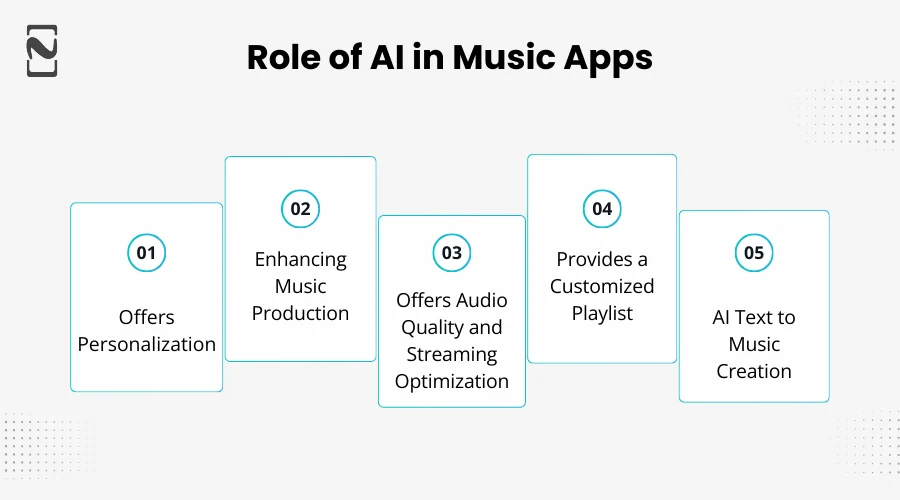
♦ Offers Personalization
AI in music apps helps users to stream their favourite music by analyzing their behavior, listening patterns, skips, and mood patterns.
Through AI, you can even provide them a playlist of their own, which they do not need to make manually. With advanced AI in music apps, you can generate complex patterns in vast audio datasets.
For instance, Apple has introduced an AI playlist tool named “Playlist Playground”. This tool helps users to generate a customized playlist via text-based prompting and integration of Apple intelligence.
♦ Enhancing Music Production
With the help of AI in music apps, producers can mix and master the tracks via AI, which further makes the process faster and simpler.
These tools help users to generate unique melodic ideas, chord progressions, and rhythmic patterns based on user input.
For example, on platforms like LANDR, users can use AI to analyze the audio quality and suggest adjustments for enhancing the final sound.
♦ Offers Audio Quality and Streaming Optimization
AI monitors network conditions to adjust the streaming quality in real time, preventing buffering.
The role of AI is to enhance the overall quality of the audio by using effective tools. You must note that AI implementation can increase the cost to build a music streaming app; however, it will help to boost users’ engagement.
AI has replaced traditional, static signal processing with dynamic, neural-network-based models.
♦ Provides a Customized Playlist
One of the significant roles of AI in music apps is that it offers customized playlists, where users just need to type what kind of music they want to listen to, and then they get a customized playlist.
Additionally, with technologies such as LALAL.AI, users can isolate vocals from the background in the recorded streams, allowing for cleaner and more focused audio production.
For instance, Spotify has rolled out its “Prompted Playlist” that assists users to get demanded list of songs.
♦ AI Text to Music Creation
With the advanced AI in music streaming apps, users use generative artificial intelligence for creating original, high-quality audio tracks, directly from simple text prompts.
Here, the user enters a descriptive prompt, and then AI interprets it to compose, arrange, and produce a song. Amazing right!
For example, Google’s Gemini AI now uses the Lyria 3 model to generate 30-second music tracks from text, photos, or videos
Now, evaluating the role, let’s discover the challenges of using AI in music apps in the given section.
What are the Challenges of Implementing AI in Music Streaming Apps?
What are the different kinds of challenges that your music streaming app might face while implementing AI?
Well, when you proceed to use or adopt AI in music streaming apps, there can be certain challenges that you should be bothered of.
Learn them all below :
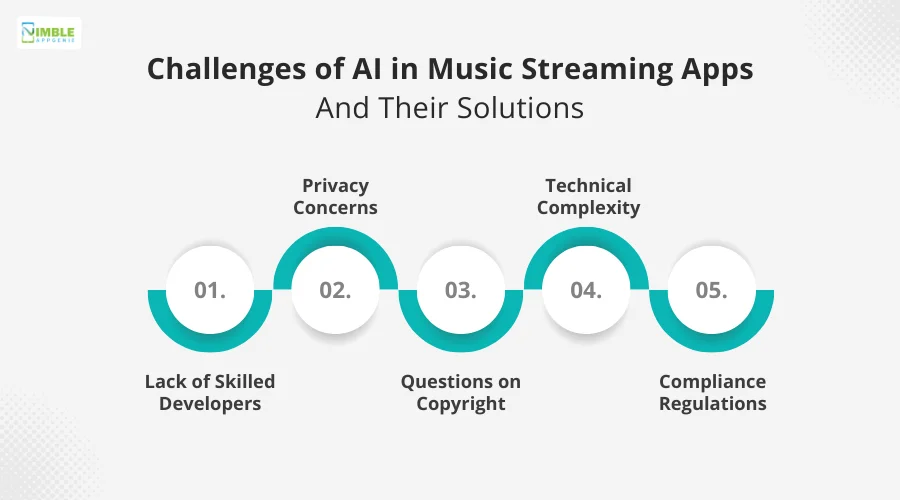
➤ Lack of Skilled Developers
You need to select developers who are efficient in implementing AI in your dream music streaming app. Well, if not, then it cannot be called a successful use of AI in music streaming apps.
With inefficient skills, the developers cannot create your app as per your expectations, which might impact the overall app development and even lead to complicated results.
➤ Privacy Concerns
One of the major errors or challenges that you might face is privacy concerns. If you implement AI in music streaming apps, your app might face challenges in keeping users’ data safe and secure to provide them maximum satisfaction when they listen to music.
When you implement a new technology such as AI, your app might face a challenge related to liability, intellectual rights, and many other privacy concerns.
➤ Questions on Copyright
Implementing AI in the music streaming industry raises issues related to copyright and ownership of the songs.
There could be plenty of artists who might generate music via AI, which will create an issue over the copyright of the music, and is a challenge for the artist. Thus, here, implementing a procedure to recognize the real voice and AI-generated music is an important process to consider.
➤ Technical Complexity
Another core error that your music streaming app might face is technical complexity. If you want to add AI to the project, this might require a certain level of technical expertise and resources.
Thus, availing this type of expertise and resources for your AI music streaming app can be a barrier for smaller teams or less tech-savvy developers.
➤ Compliance Regulations
One of the factors that your music streaming apps might face due to AI is compliance with regulations. It’s all about considering the AI in music streaming apps, only after identifying that it will not impact the integrity of music.
When it comes to music streaming apps, you need to buy licenses based on the regions that will be helpful to address the issues of the users. Thus, the following compliance practices are very important in this scenario.
These are some of the crucial mistakes to avoid while creating a music streaming app that need to be considered before adopting AI in music streaming apps.
Now, let’s look forward to the prominent technologies used in music streaming apps. AI is a broad concept when it comes to implementing it in music streaming apps.
Key AI Technologies Used in Music Streaming Apps
Let’s discover the role of AI technologies in music streaming apps, which will help you guide with the current AI technologies that you should use.
Here’s a list of AI technologies to consider :
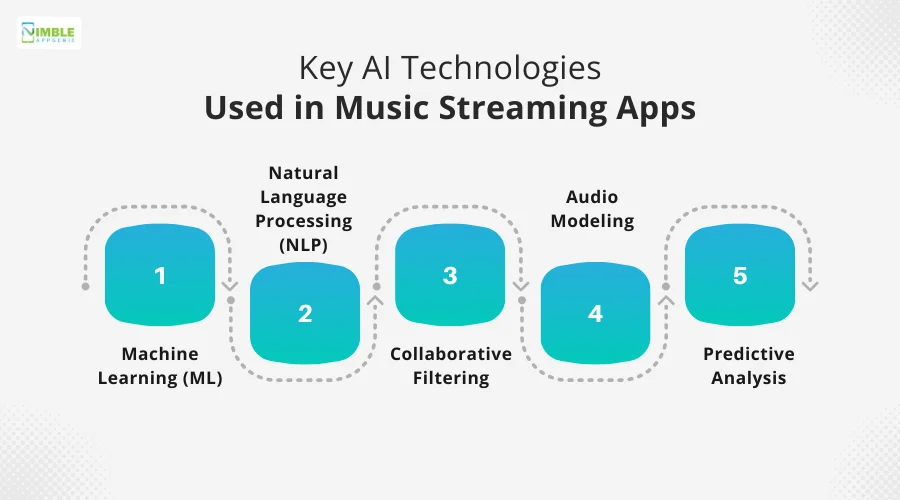
► Machine Learning (ML)
As users interact with the platform, ML algorithms regularly learn and adapt to evolving preferences.
This changing process allows streaming services to be ahead of changing tastes. It does help the users to know about new artists and genres that they might not have discovered on their own.
► Natural Language Processing (NLP)
The use of NLP in music streaming apps analyzes the lyrics and other textual data to understand the context of songs.
This technology is mainly used to interpret human language. It is a subfield of AI and computer science that is used to help computers understand human language and communicate with it easily.
► Collaborative Filtering
The collaborative filtering method is used in music streaming apps by comparing the user’s listening history with that of other users.
The basic nature of this technology in music streaming apps is to create a user vector for every user and a song vector for every song.
► Audio Modeling
This AI technology helps in analyzing the song’s actual audio features. With audio modeling, NLP works together to analyze the lyrics and other textual data for understanding the context of songs. Here, the compressed music files are delivered in real time to a computer or smartphone and are played directly.
► Predictive Analysis
Predictive analysis is an AI algorithm that analyzes user data, including listening habits, likes, skips, and search queries, to help predict and recommend new music to users.
The implementation of predictive analysis is helpful for the apps to identify the user’s opinions about the songs and then provide their suggestions as on their listening behavior.
These are some of the effective AI-powered music streaming technologies that can be used for the apps. Now, when you enter a competitive industry like a music streaming app, it’s significant to look for popular AI-powered music streaming apps that can act as the best example to consider.
Conclusion
AI is the future of music streaming apps; if you bother to implement it, a complete guide can help.
Under this scenario, you should start by conducting a market analysis, connecting with the developers, finalizing the key AI features to include in your app, designing it, including the essential technologies to upgrade the app, performing testing, and the launch.
In this process, you can face challenges such as a lack of skilled developers, privacy concerns, questions of copyright, privacy concerns, technical complexity, and others.
Nimble AppGenie is the leading Music streaming App Development Company focused on delivering quality, honesty, and promise to convert your dream app into reality.
Our team knows the best tools to create a music streaming platform, and can help you to build the app successfully.
FAQs

Niketan Sharma, CTO, Nimble AppGenie, is a tech enthusiast with more than a decade of experience in delivering high-value solutions that allow a brand to penetrate the market easily. With a strong hold on mobile app development, he is actively working to help businesses identify the potential of digital transformation by sharing insightful statistics, guides & blogs.
Table of Contents




No Comments
Comments are closed.