


In a Nutshell:
- Fantasy sports apps let users build virtual teams of real players and compete based on their real-world performance.
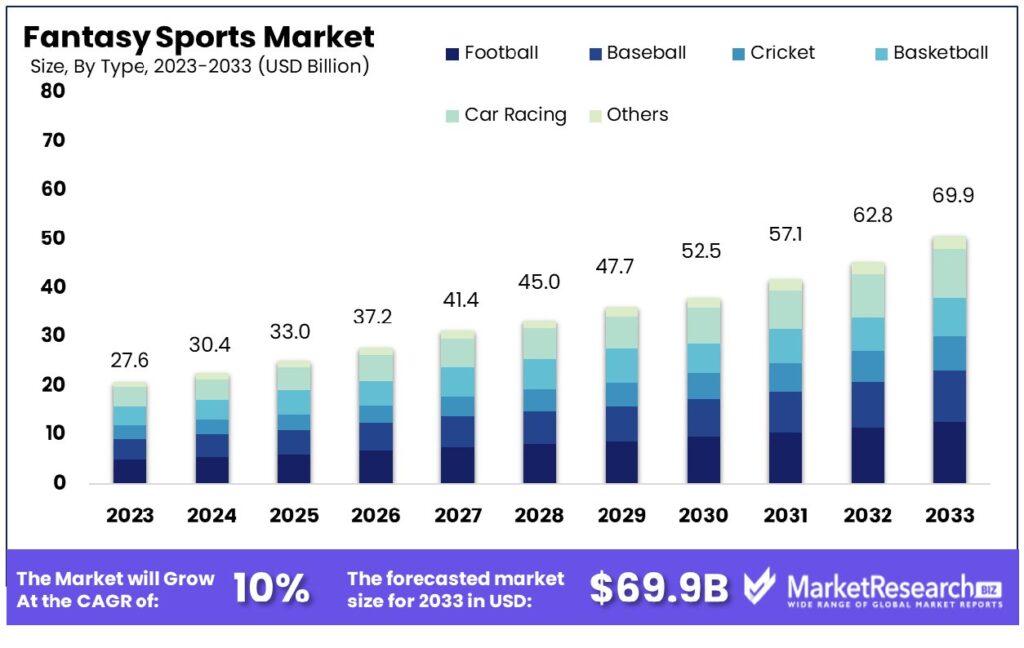
- The market for fantasy sports apps offers a lucrative market, which is expected to reach $69.9 billion by 2033, doubling its value from $30.4 billion in a matter of 8 years.
- Growing market demand, high user engagement, a large fan base, and expanded opportunities for revenue generation are some reasons why it may be the right time to develop a fantasy sports app.
- To develop a fantasy sports app, you need to start with research, choose a design, write code to develop functionalities, and test the functionalities before you deploy the app.
- Best practices like identifying the audience, using a scalable architecture, leveraging community engagement through your app, etc., can help you achieve the best results.
- Nimble AppGenie’s team of professional fantasy sports app developers can help you build the app from scratch. We have already made many fantasy sports apps, one of which is The Executioner League.
Well, to create a fantasy sports app, it is relevant and crucial to adopt strategies such as performing a market study, selecting the features, designing, choosing technologies, testing the app, and then opting for deployment.
But is this process as easy as playing with it?
Yes! It is, but only if you connect with the right team of developers.
Okay! Without complicating it for you, we have created a complete guide to building a fantasy sports app.
Hence, let’s begin with learning about the app, evaluating the market, identifying reasons, steps, cost, and much more.
What is a Fantasy Sports App?
A fantasy sports app is a digital platform that allows users to create a virtual team out of real-time professional players. Here, the users can select sports among football, soccer, hockey, baseball, and others.
These are online games, where virtual figures of real professional athletes from a specific sport are selected to play. With the growing demand for online gaming, the interest in fantasy sports has increased. This has created a market for fantasy sports apps and has developed an opportunity to excel in this market.
Now, let’s have a glance at market research statistics in the next section.
What Does the Market Say About Fantasy Sports Apps?
Learning about fantasy sports statistics can help you improve your perception of developing an app. Market stats act as the current environment in the fantasy sports app industry to acknowledge competition and related parameters that one should consider before developing an app.
Hence, let’s look forward to the stats below:
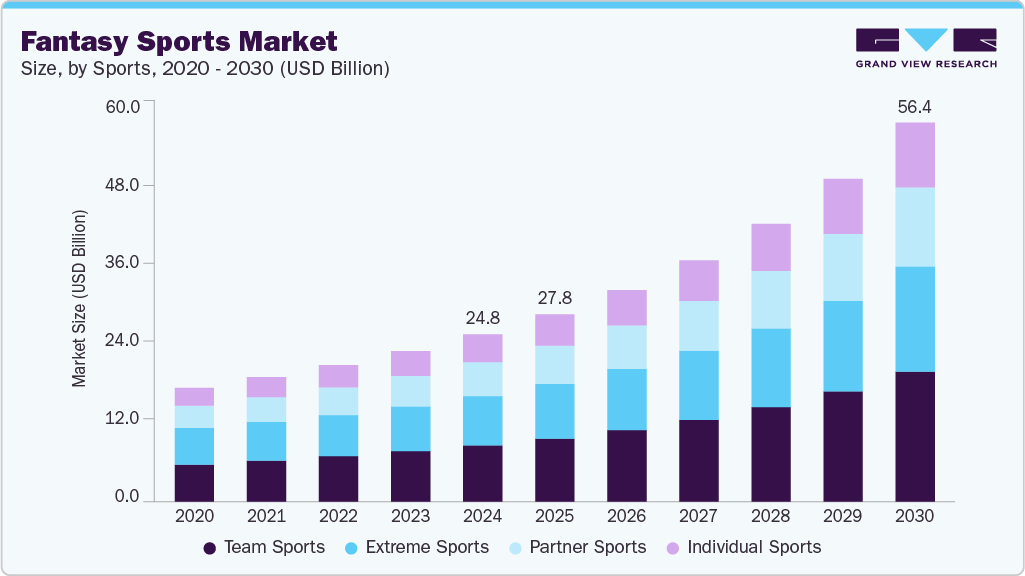
- The global fantasy sports market size was estimated at USD 24,853.7 million in 2024, and is further projected to reach USD 56,381.2 million by 2030, with a CAGR of 15.2% from 2025 to 2030.
- According to the latest report by Market Research, the fantasy service sector will reach 30.4 billion dollars in 2024 and is expected to reach 69.9 billion dollars by 2033.
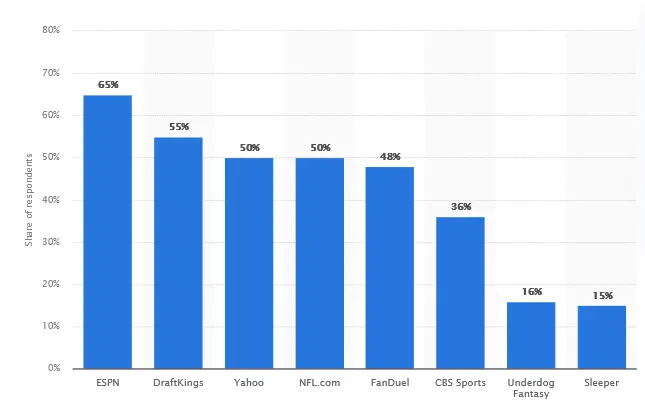
- According to the survey of August 2022, there are certain most popular fantasy sports app platforms, including ESPN, Yahoo, and DraftKings. The ESPN Sports app was preferred by 15% of the respondents.
- However, according to reports from the New York Times, 43% of fantasy sports players regularly use the ESPN Fantasy Game app to play. At the same time, 13% is like Yahoo Fantasy.
Do you know, that people using the ESPN fantasy sports app have created over 17.6 Million teams?
What are the Different Types of Fantasy Sports Apps?
The different types of fantasy sports apps are:
- Daily Fantasy Sports Apps (DFS)
- General Fantasy Sports App
- Season Long Fantasy App
- Social Fantasy Sports App
- Betting Focused Fantasy Apps
- Casual Fantasy Apps
Let’s know them in detail:
► Daily Fantasy Sports Apps (DFS)
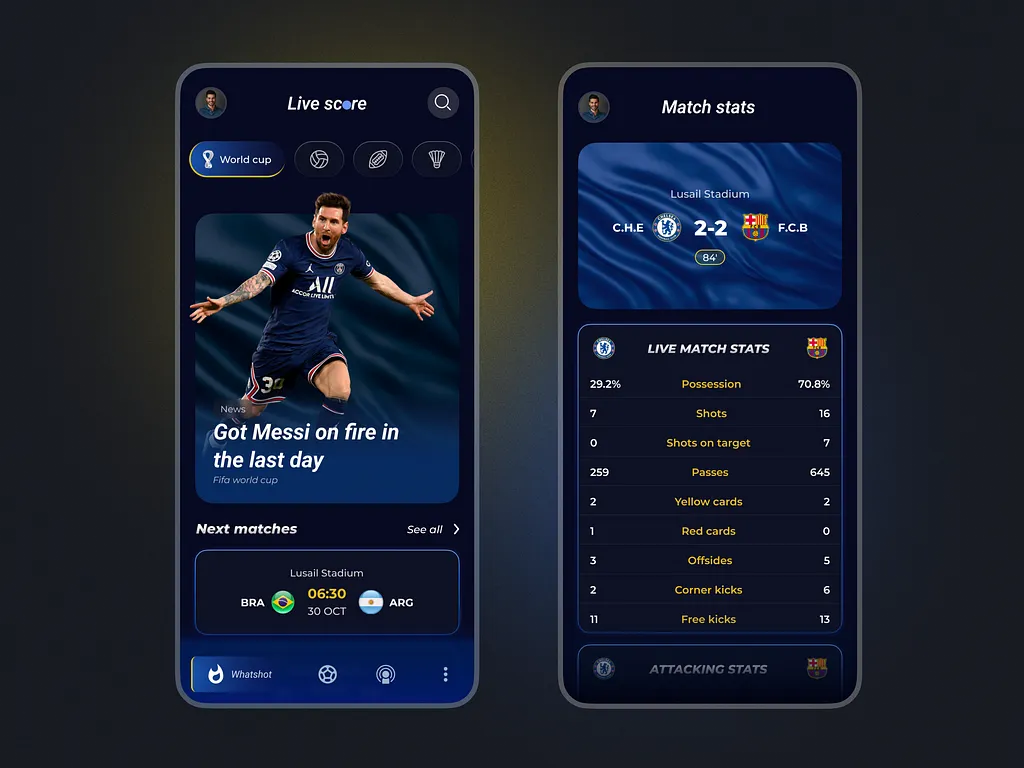
In the DFS app, users are allowed to develop their team daily and weekly. However, the users can select their team members based on the tracks of everyone’s performance and progress.
DFS offers contests that typically last for a day or a few days. Users are allowed to draft new teams for quick play and each contest.
► General Fantasy Sports App
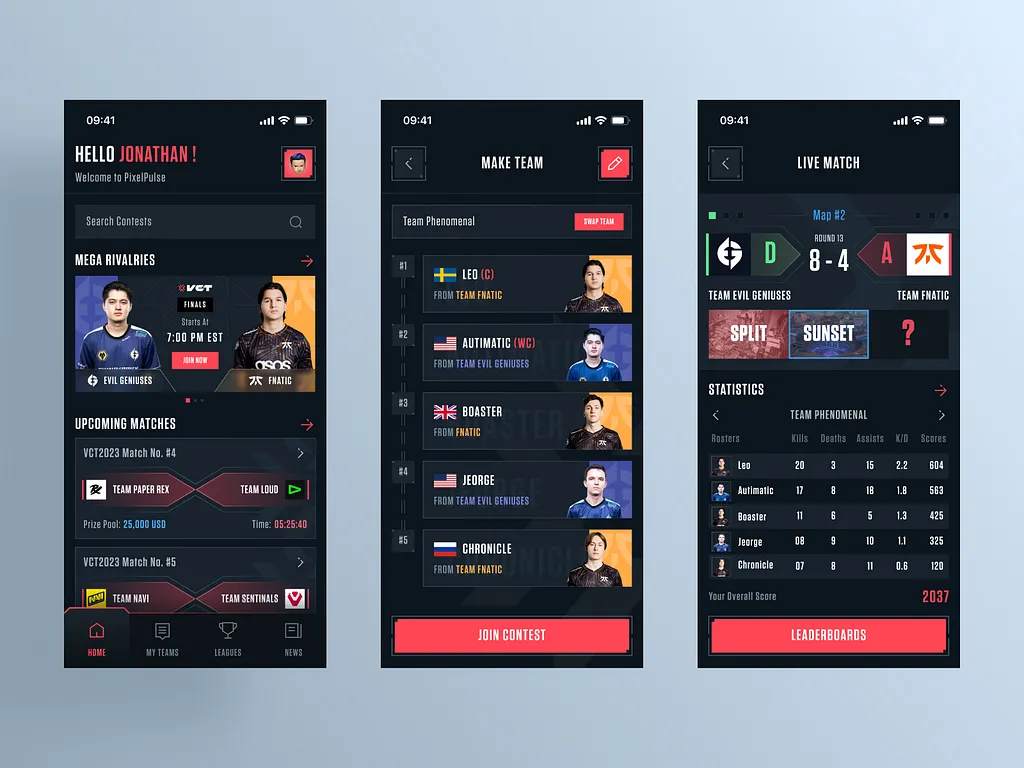
General fantasy sports apps are built to cover a wide range of sports, including football, hockey, soccer, basketball, cricket, and more. Users are free to create teams and play leagues anytime, anywhere they want.
Such an app provides a platform where different kinds of sports can be played under one app. Check out the CBS Fantasy Sports and Sleeper app to learn more.
► Season Long Fantasy App
These types of fantasy sports are developed targeting users who prefer traditional fantasy sports. Here, the users draft the team at the beginning of the season and manage it throughout the whole sports season.
Season fantasy games are based on a single sports season, where they manage their teams throughout the specific season.
► Social Fantasy Sports App
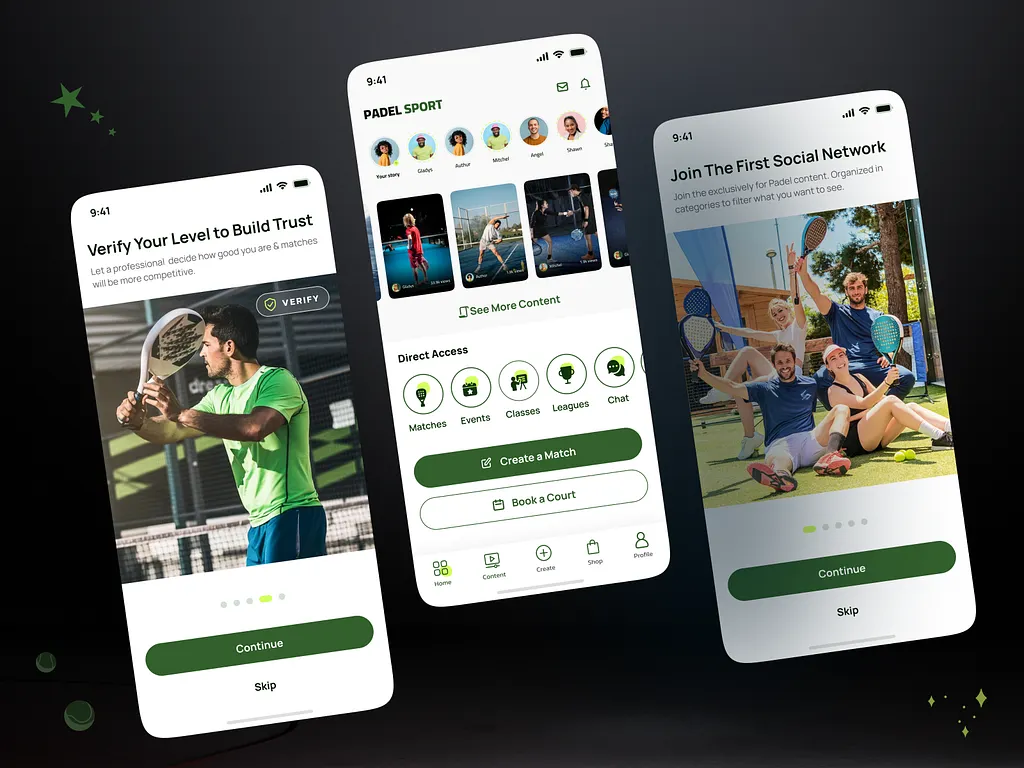
Social fantasy sports apps are targeted to invite friends and family to gaming leagues through the application of social media. These kinds of apps are built with a chatbox to communicate with teammates while playing the games.
► Betting-Focused Fantasy Apps
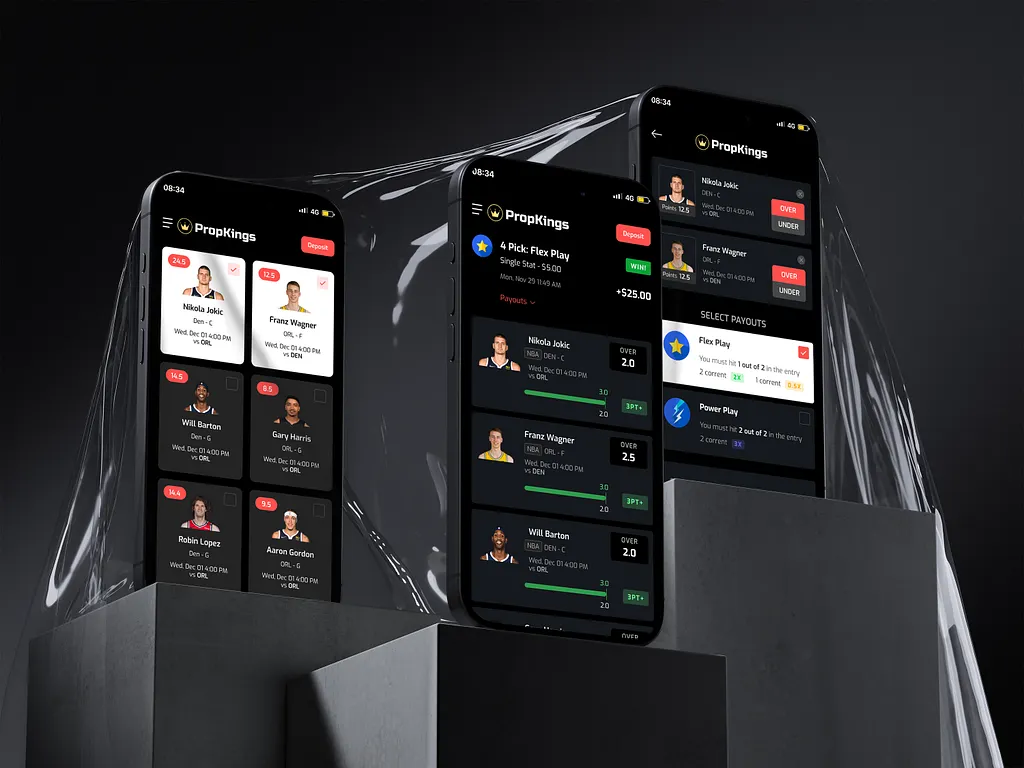
Within the betting-focused fantasy apps, users place wagers on different aspects of the sport. The apps are built to allow users to place bets on other players who are playing on the field.
Betting-focused apps are specifically built for betting, and they are not legal in every region. Thus, they often face legal issues in some regions.
► Casual Fantasy Apps
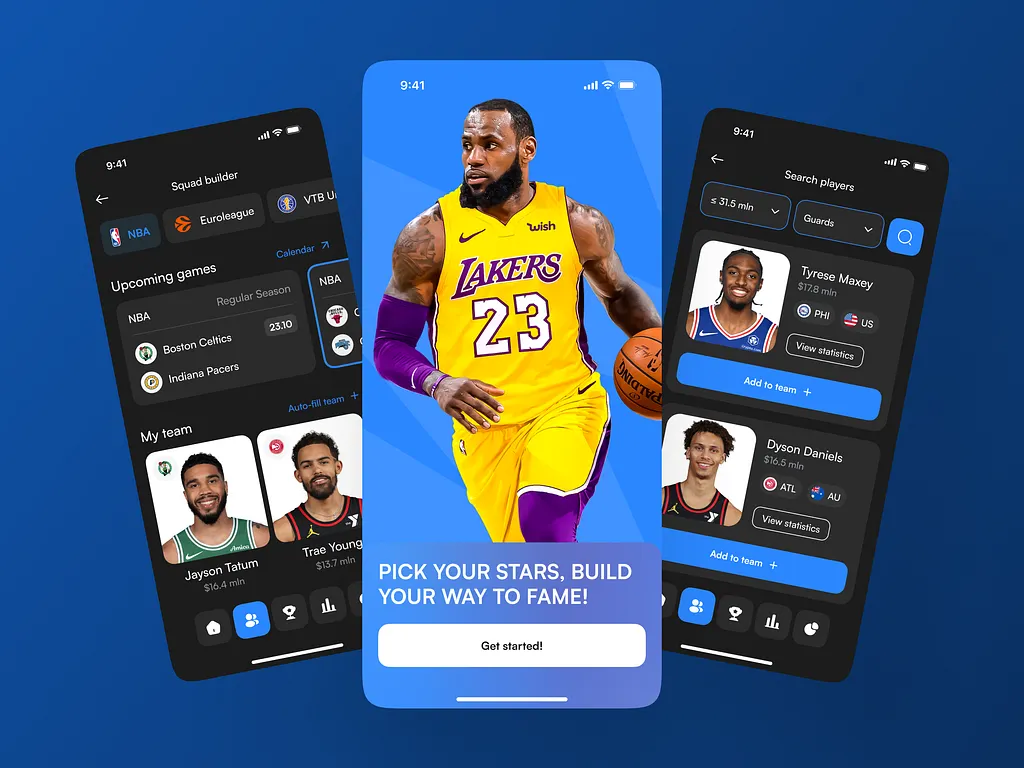
Casual fantasy apps are developed to provide a simplified gameplay experience and to make them more accessible for sports fans.
Such apps offer auto-draft features, with less intensive management of leagues and sports. They are used just to provide a sports and gaming experience to the users.
How Does a Fantasy Sports App Work?
Users install the app, and proceed with authentication, then they select a sport and a match, and they are asked to make a team to select players. Then, through real-time tracking, performance tracking is made. Based on these scores, they rank on the game board and win prizes or awards.
Yes, it’s that simple.
Now, to start a fantasy sports business, let’s learn a detail on the working process:
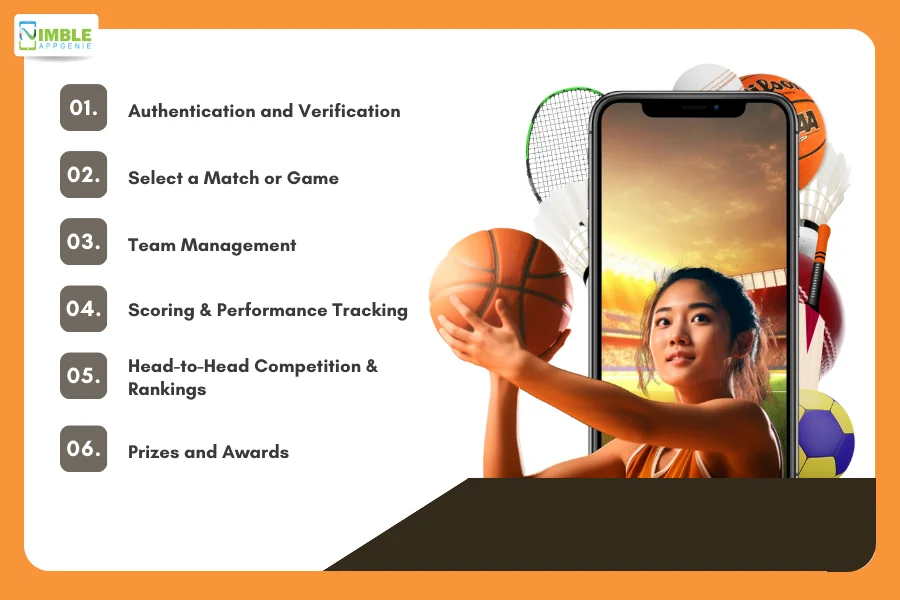
♦ Authentication and Verification
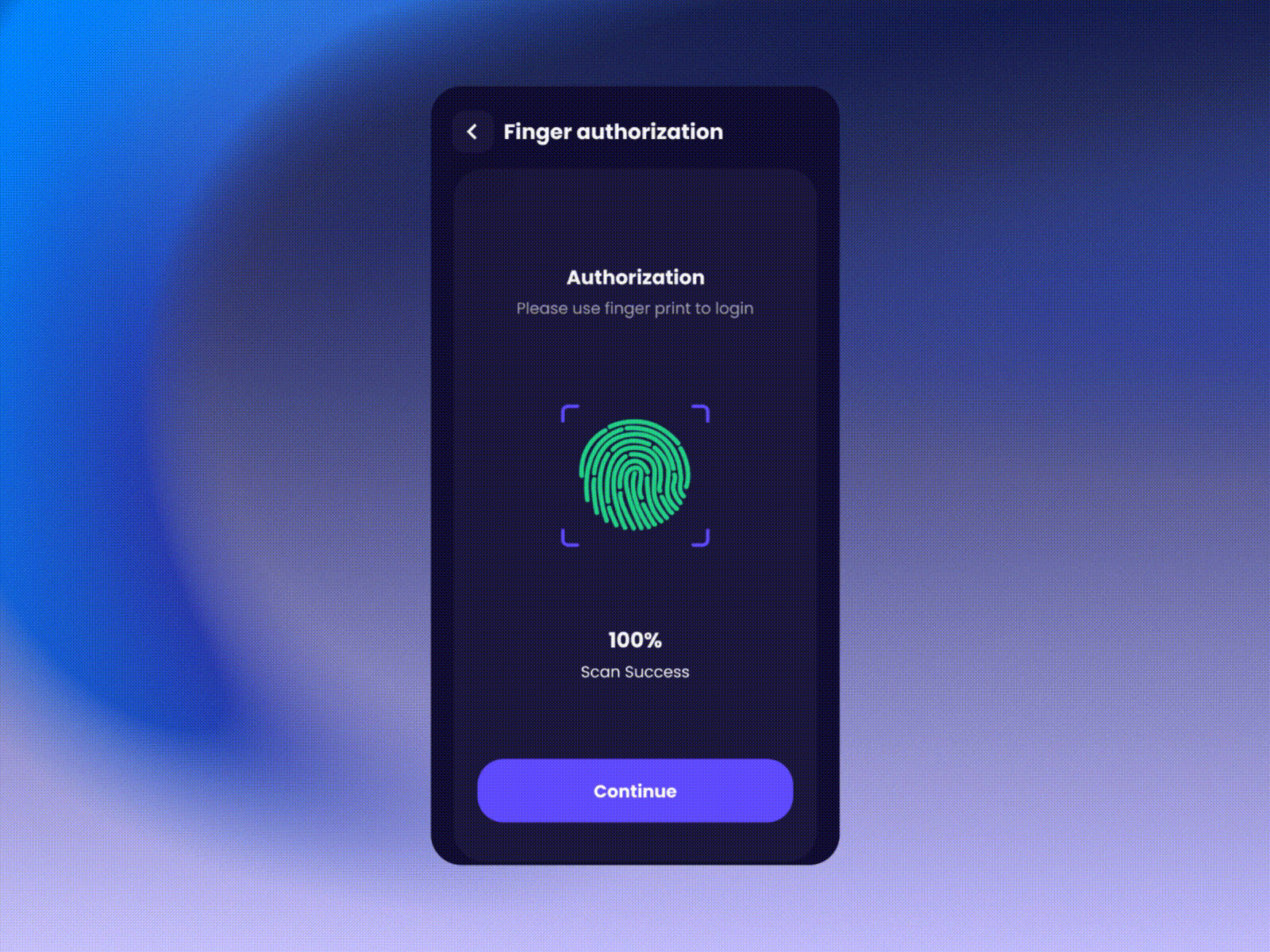
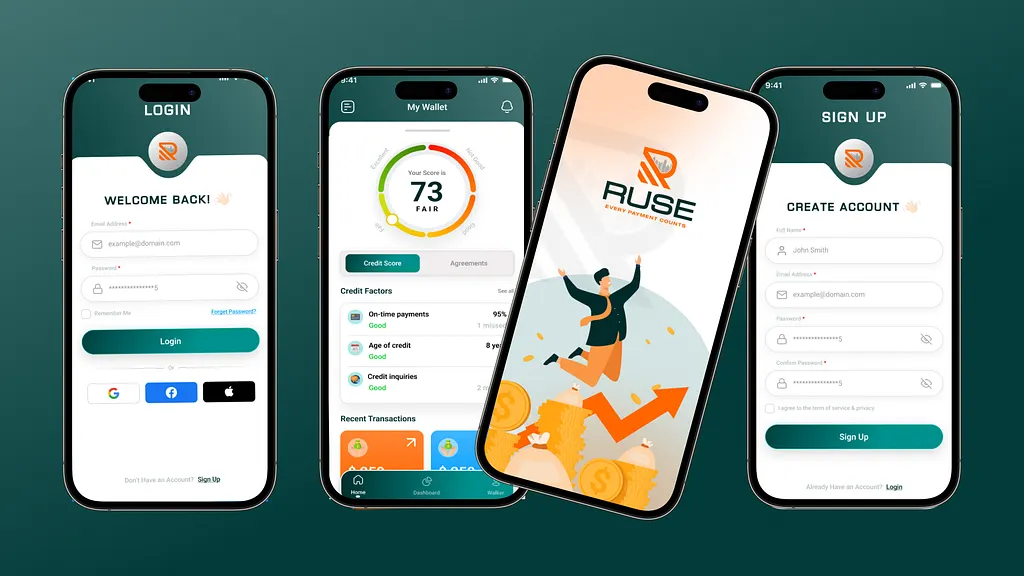
After downloading the app, one of the important procedures is authentication and verification, which can be done through mobile and email.
This is the first step where the registration process takes place. Here, the user selects a name and password after providing some personal information.
♦ Select a Match or Game
If you have downloaded a multi-user fantasy app, then here you have to decide the match and type of game you want to play. Decide on a game captain along with the players in your team.
Fantasy apps are built on real players who are playing in a particular game. Hence, you can select the team player based on the real-player sports efficiency.
♦ Team Management
In this step, you have to manage the team. You can decide which player is going to play first and manage their leagues accordingly.
This management is possible until the users are allowed to modify and adjust their team as per the requirements of the team. Some of the apps have the feature of a tracking tool feature, where the captain can have a whole report of the adjacent player.
♦ Scoring and Performance Tracking
Here, the user can identify the current score of the actual player and can decide on the player in the game accordingly.
A user can track the statistical performance of the athletes on each user’s fantasy team. The points are awarded based on the performance of the selected athletes, such as goals, strikes, and touchdowns.
♦ Head-To-Head Competition and Rankings
Head-to-head competition is driving players against each other within the leagues, based on the fantasy team’s performance.
The leagues may offer an overall standings leaderboard useful to track the cumulative performance of the player. Moreover, rankings are defined by the user’s team’s performance within the game.
♦ Prizes and Awards
Such applications are made in a way that will reward the team with extra points when the game ends. Certain apps offer prize money along with rewards to the top-performing teams, including cash prizes, trophies, and bragging rights. Here, the prizes can be determined by league commissioners.
Now, after evaluating the working process of the app, if you are still confused whether or not to create a fantasy sports app, then the following section is for you.
Why Develop a Fantasy Sports App?
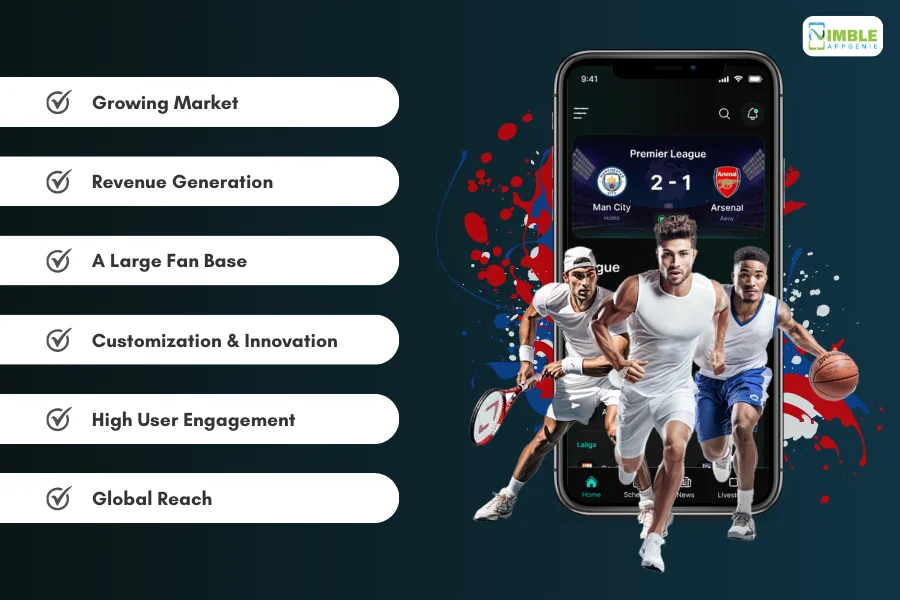
Different reasons to create a fantasy sports app include a growing market, revenue generation, a large fan base, customization and innovation, global reach, and high user engagement.
Let’s dive into the details of the reasons:
► Growing Market
One of the most important and most effective scenarios to develop an app is market growth. The global fantasy sports market size is expected to reach USD 56,381.2 million by 2030. Thus, you can contribute to this growing market by positioning yourself among the competitors.
► Revenue Generation
With the growing market, the scope of earning revenue also grows. The development of a fantasy sports app process can be a very successful venture. The different monetization models that you can adopt for revenue generation are in-app advertising, subscription model, and in-app purchases.
► A Large Fan Base
Build a fantasy sports app that can retain and acquire a large fan base. With a large fan base, you can gather a vast amount of data that can be part of your monetization process.
Moreover, by connecting to a large audience, you can promote your app and increase its market presence.
► Customization and Innovation
App creation offers you an opportunity to innovate and create an advanced app that can provide your business with a competitive advantage.
You can add unique features and customize the app based on the user’s interests. To differentiate your app from that of your competitors, hire mobile app developers who can provide you with the right guidance to develop a unique app for users.
► High User Engagement
The fantasy sports app craze has increased among youngsters and has provided a wide opportunity for improving users.
Moreover, these apps are built to increase the whole fan experience by enabling users to manage and build their fantasy teams. It also lets the fans feel more connected and provides them with a social connectivity platform.
► Global Reach
Develop a fantasy app that can encourage you to provide a global reach at high speed.
You can tap into a variety of marketplaces by connecting with sports fans all over the world. Create a flexible fantasy sports app that can be regionally tailored through the aid of localization and customization features.
Do you Know that the first Fantasy App was created in 1950 and that it was a Golf Game App?
What are the Popular Fantasy Sports Apps Worldwide?
The best fantasy sports apps are the CBS fantasy sports app, the ESPN fantasy sports app, DraftKings, NFL fantasy, the Sleeper app, and FanDuel.
Let’s learn all about the apps in detail:
• CBS Fantasy Sports App
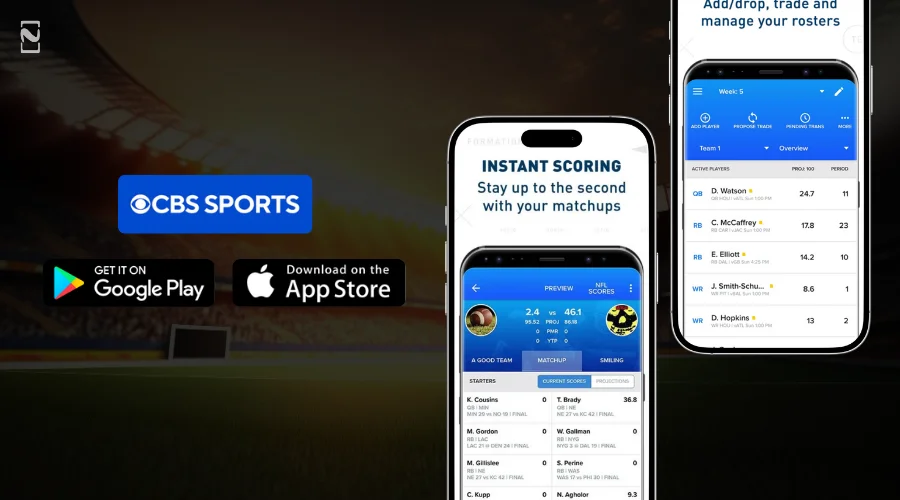
This is among the multiple sports apps and provides popular sports, including basketball, baseball, and hockey. CBS Sports app is built with community and social interaction features, where you can successfully develop coordination with friends and other players through the app.
They also provide the user with liver score alerts to wisely select the player. You can develop an app like CBS Sports by implementing the strategies and features that the app adopts.
| App | Availability | Downloads | Rating |
| CBS Sports App | iOS & Android | 10M + | 4.7/5 |
• ESPN Fantasy Sports App
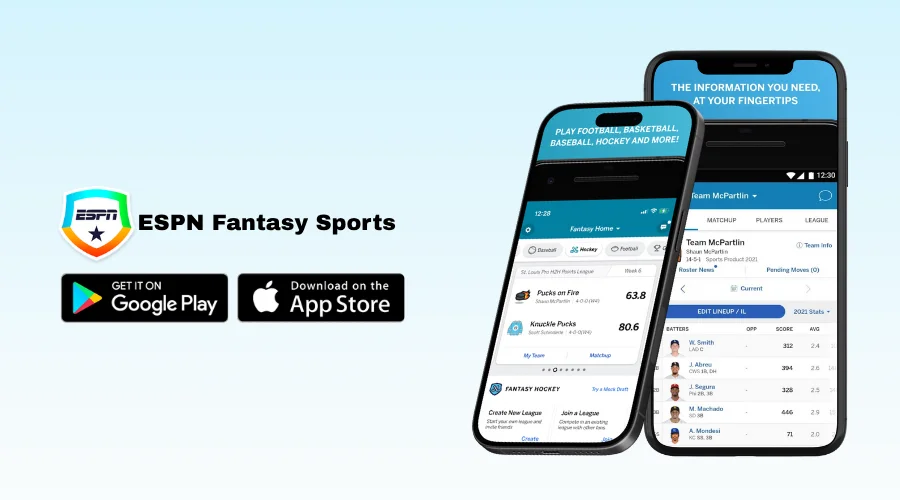
ESPN fantasy sports app is based on real players’ work; here, the statistics are generated from the real games, and fantasy points are awarded based on these numbers.
Here, points are based on the players’ performance; the better they perform, the more points they accrue for the fantasy team. Develop an app like ESPN where users can create teams and play games, including football, women’s basketball, and others.
| App | Availability | Downloads | Rating |
| ESPN fantasy sports | iOS & Android | 10M + | 4.8/5 |
• DraftKings
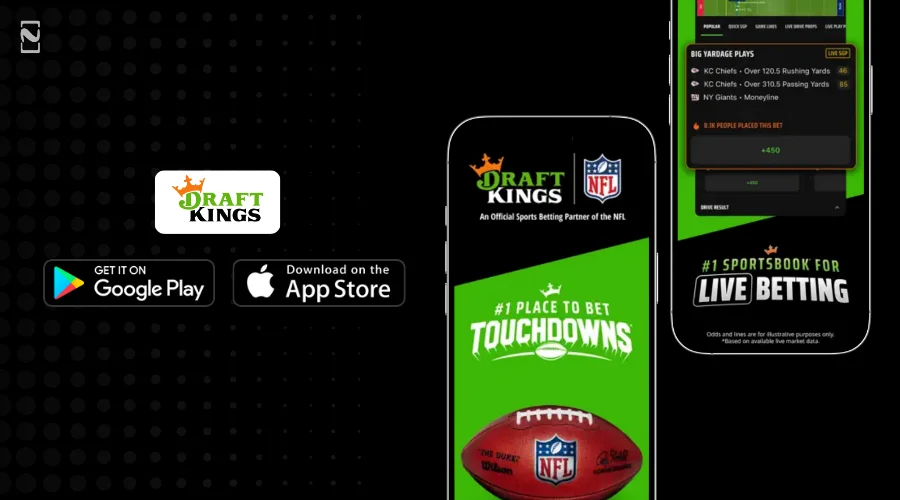
DraftKings is an American daily fantasy sports company. In this app, users are allowed to enter daily and weekly to play games. The app has gained popularity as it boasts massive winnings. You can develop an app like DraftKings by evaluating different aspects that attract users in the competitive market.
Different kinds of sports are played in the app, including golf, soccer, football, and hockey. It is also a betting company where users can bet on the players and other users’ players as well.
| App | Availability | Downloads | Rating |
| DraftKings | iOS & Android | 5M + | 4.9/5 |
• NFL Fantasy
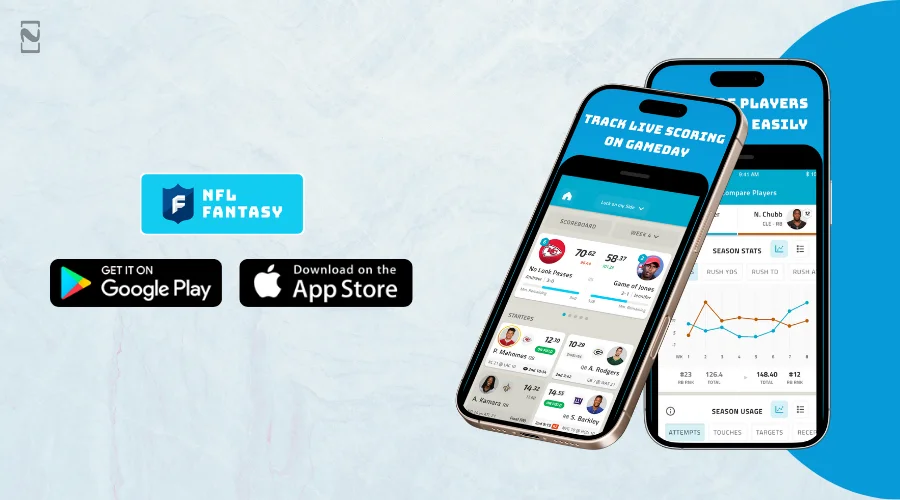
NFL Fantasy provides users with the option to select from two types of leagues, including NFL-managed and NFL custom. All the NFL fantasy football leagues feature official NFL stats and highlights that improve gameplay.
To develop an app like the NFL fantasy football app, you should evaluate the possible strategies that make the app popular. This will help you to implement such techniques effectively.
All NFL-managed leagues are free for users to join the match from anywhere and at any time. While in the custom league, customizable scoring is present.
| App | Availability | Downloads | Rating |
| NFL Fantasy | iOS & Android | 5M + | 4.6/5 |
• FanDuel
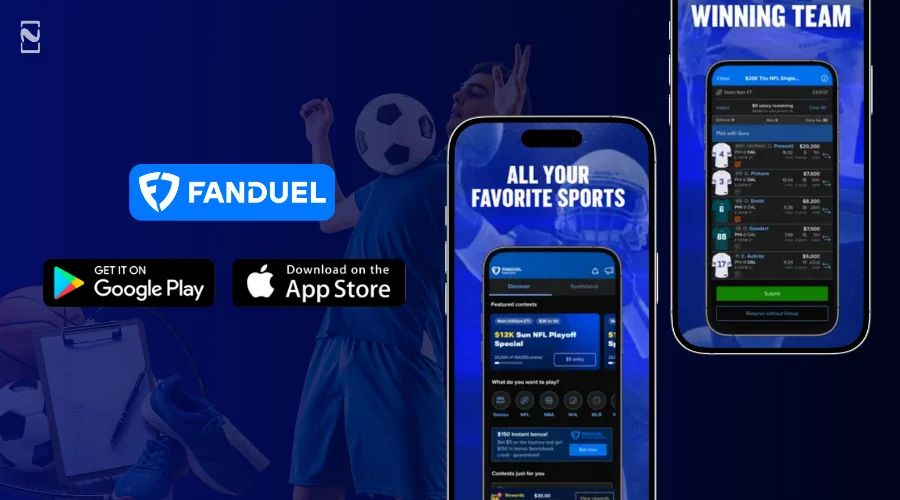
FanDuel is one of the biggest sites for playing daily fantasy sports. It is an American gambling company that also offers sports books, horse racing, and online casinos. The basic games in the app are free to use, while some of the leagues are paid for.
Here, users can create imaginary teams of real players belonging to professional sports and play against other users. To develop an app like FanDuel, you should analyze the components that help it engage users in the long run.
| App | Availability | Downloads | Rating |
| FanDuel | iOS & Android | 1M + | 4.8/5 |
• Sleeper App
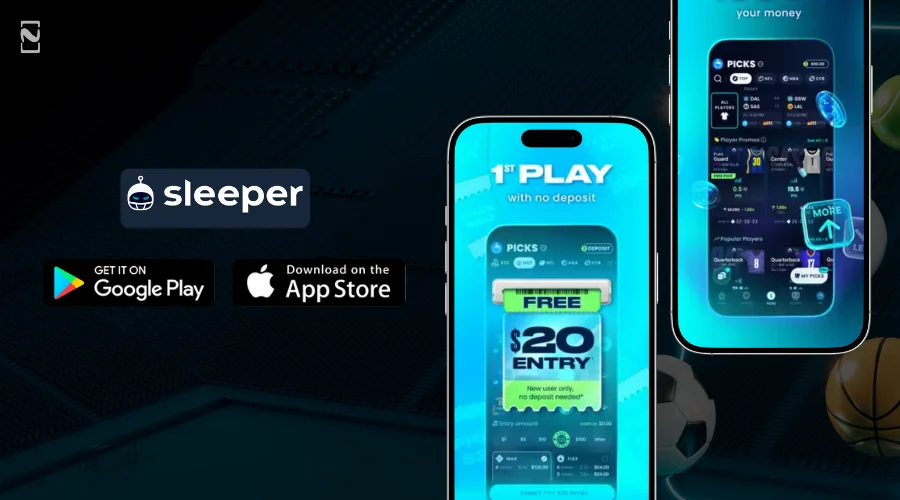
Sleeper provides its users with the fantasy experience of playing football. The app provides the player with customized scoring settings. Here, the user begins by drafting a team by selecting two to eight statistical player projections.
If you’re looking to develop an app like Sleeper, this app is ranked highly on the Google Play Store, as it provides a feasible option to play your favorite football sports.
| App | Availability | Downloads | Rating |
| Sleeper | iOS & Android | 1M + | 4.7/5 |
What are Some Key Features that Make Fantasy Apps Popular?
The key features to include in the fantasy sports apps are user signup, profile setup, team creation, live scores, while for the admin panel, features are admin dashboard, revenue tracking, etc.
Let’s check out the complete list of fantasy sports app features in the table below:
| User Panel | Admin Panel | Additional Features |
| User Sign-Up and Login | Admin Dashboard | Live Match Updates & Notifications |
| Profile Setup | User Account Management | Real-Time Data Analytics |
| Team Creation | Match and Contest Management | Withdraw Money Instantly |
| Participate in Contests | Revenue Tracking & Management | Social Media Sharing |
| Live Scores | Content Management System (CMS) | Multilingual Support |
| Real-Time Rankings and Leaderboards | Analytics and Reporting Tools | Voice and Chat Assistance |
| Payment Integration | Payment Processing & Management | Customizable Scoring Rules |
| In-app Chat Feature | Bonus & Promotion Management | Augmented Reality Integration |
| Referral Program and Rewards | User Feedback and Support Services | Blockchain Technology for Enhanced Security |
| Push Notifications | Security and Compliance Management | Fantasy Points Calculator Tool |
➤ User-Friendly Structure
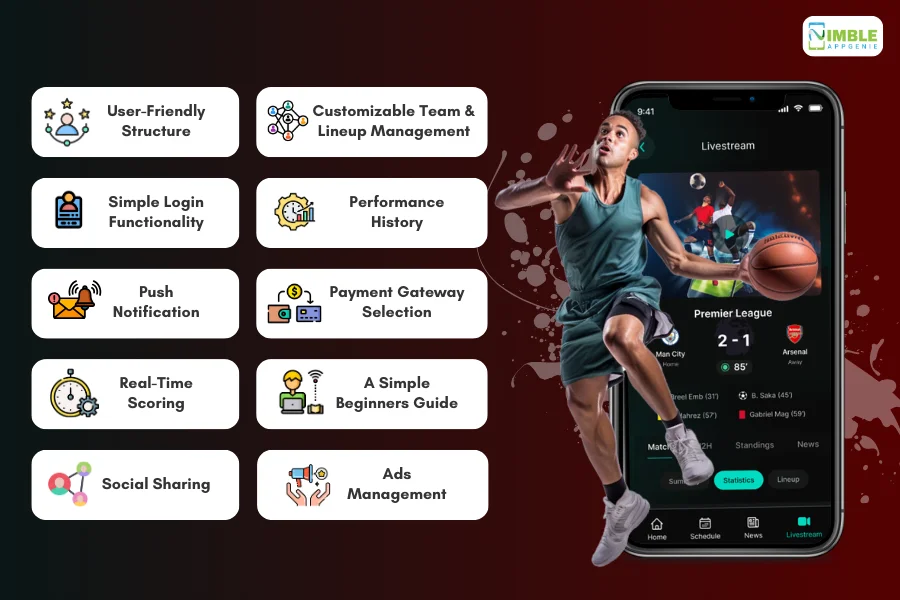
The app structure of popular fantasy sports is simple to use. It allows users to quickly build teams and manage lineups with an easy-to-navigate interface. A clean, hassle-free, intuitive user interface is essential for any app’s success.
➤ Simple Login Functionality
User authentication after downloading the app is important to maintain privacy in the app and to protect their data from cybercrime. Popular fantasy apps use email login and biometric login functions to improve user authentication and end-to-end encryption.
➤ Push Notification
Another important feature that can be found within popular fantasy apps is push notifications. The implementation of push notifications helps to notify the user with timely updates, reminders, and alerts regarding upcoming events and games.
➤ Real-Time Scoring
Real-time scoring feature is all about delivering instant and live updates to the users, based on in-game actions and data feeds.
➤ Social Sharing
Fantasy game apps have an in-built social integration platform. With the help of such a platform, users can share their playing scores and communicate easily through the feature. This feature keeps the players connected.
➤ Customizable Team and Lineup Management
The feature of customized team management helps users manage the teams and the players according to their choice.
It enables users to form a team using the stats of the real-time players. These apps have the feature of drag-and-drop player selection feature along with filters.
➤ Performance History
Popular fantasy apps are developed in a way that users can check their performance history anytime and anywhere. By observing the performance history, users can enable the team selection process. This is a great feature for the fantasy sports enthusiast.
➤ Payment Gateway Selection
Integration with secure payment gateways to enable transactions for entry fees, prizes, and in-app purchases, along with monetization features, ensures smooth and secure financial transactions. The secure payment gateway integration builds user trust.
➤ A Simple Beginner’s Guide
A beginner in the field of fantasy sports can check the beginner’s guide, which can help them understand the rules to play such games. An in-app guide is provided by the fantasy sports apps related to the features and keys to use while playing the game.
➤ Ads Management
Ads indeed provide a great monetization tool for fantasy sports apps to improve their popularity. Sometimes ads irritate users and restrict them from playing. This can even become the reason to uninstall the app. Therefore, the top app provides a feature to manage ads.
Now, after learning what features to include, let’s move ahead with the complete process to create a fantasy sports app in 2026.
How to Develop a Fantasy Sports App? Step-by-Step Process
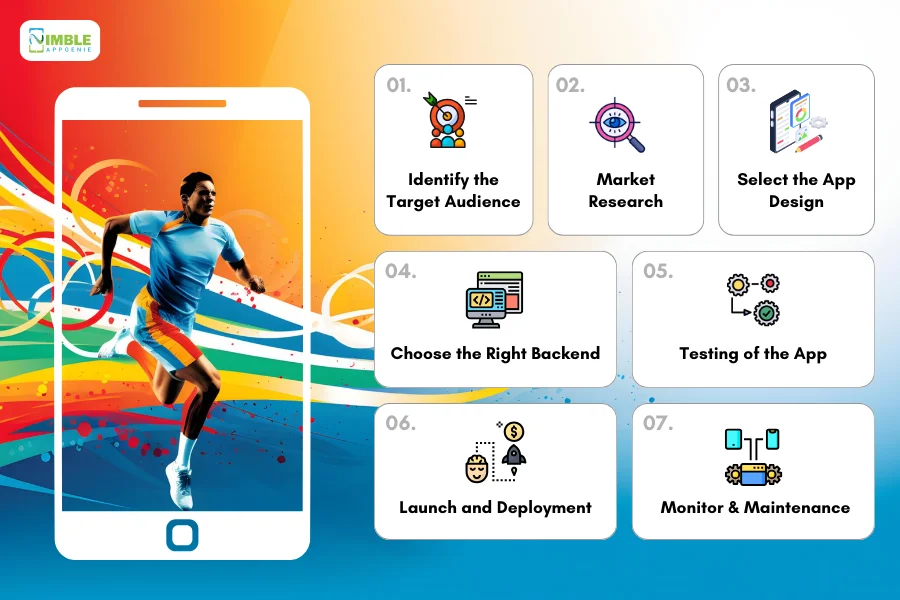
Well, to create a fantasy sports app, you need to follow the crucial steps:
- Identify the Scope of Your Idea
- Conducting Market Study
- Selecting the Right App Design
- Choosing the Right Backend
- Testing the App
- Launch MVP First
- Improve and Final App Deployment
- Monitor & Maintenance
Now, let’s check all the steps one after the other here:
Step 1: Identify the Scope of Your Idea
The scope of your idea is all about how well your app can capture the audience and the market. You need to evaluate the niche of your business that differentiates it from the existing competitors. Is it about pricing, or user experience? Gap evaluation can help you decide the complete scope of your idea.
Step 2: Conducting Market Study
Market study is not only about identifying the current size of your industry, but it’s also about the frequency of changing demand and the psychology of your audience.
Additionally, conduct a survey and identify what the user find unsuelful or ineffective about the current fantasy sports apps. This can provide you with a specific idea of what kind of features you can draft to pull them in.
Step 3: Select the App Design
Are you aware of the app design guidelines? Yes, you should have an in-depth knowledge of different designs and screens.
Well, you can ask to have a mobile app wireframe and prototypes from the designers. This will help you to select the right design for your app.
App design is all about the first impression; it should be impressive, consistent, and effective to grasp the user’s attention. Here’s a table to decide on fantasy sports app design.
| Design type | Pattern | Key tech | Best for | Build effort |
| Monolith | Single-tier | Node.js + Express | MVP / early-stage product | Low |
| PostgreSQL · SSR | ||||
| Microservices | Multi-service | Docker · Kubernetes | Scale-out, team growth | High |
| REST / gRPC · API Gateway | ||||
| Serverless | Event-driven | AWS Lambda / Vercel | Low-traffic, cost-sensitive | Low–Mid |
| DynamoDB · API Gateway | ||||
| Real-time | Push-based | WebSocket · Redis Pub/Sub | Live scoring, draft rooms | High |
| Socket.io · Kafka | ||||
| JAMstack | Static + API | Next.js · Headless CMS | Content-heavy, SEO focus | Low–Mid |
| Netlify / Vercel · CDN | ||||
| PWA | Offline-first | Service Workers · IndexedDB | Cross-platform, no app store | Mid–High |
| Web Push · Manifest | ||||
| Native mobile | Platform-native | React Native / Flutter | Best UX, device features | High |
| GraphQL · FCM / APNs |
Step 4: Choosing the Right Backend
Now, you need to look for the backend, which is all about selecting the prompt mobile app tech stack for your next fantasy sports app.
Well, the right backend means the selection of technologies, including database, languages, supportive to your fantasy sports app development process.
A fantasy sports app tech stack should be discussed with the experienced team of developers to ensure that the technology is updated and effective to achieve the overall objective of the project.
| Category | Layer | Technologies | Purpose |
| Frontend — Web | Client | React · Next.js · Vue · Tailwind CSS | User interface, dashboards, league pages |
| Frontend — Mobile | Client | React Native · Flutter · Swift · Kotlin | iOS & Android native/cross-platform apps |
| Backend Framework | Server | Node.js · Express · Django · FastAPI · Spring Boot | API logic, business rules, routing |
| API Design | Server | REST · GraphQL · gRPC | Data exchange between client and server |
| Real-Time | Server | Socket.io · WebSocket · Kafka · Redis Pub/Sub | Live scores, draft rooms, notifications |
| Primary Database | Data | PostgreSQL · MySQL · MongoDB | Users, leagues, rosters, transactions |
| Cache / in-memory | Data | Redis · Memcached | Live scores, session data, leaderboards |
| Search | Data | Elasticsearch · Algolia | Player search, roster lookup |
| Auth | Security | Auth0 · Firebase Auth · JWT · OAuth 2.0 | Login, SSO, token management |
| Sports Data API | External | Sportradar · SportsDataIO · ESPN API · API-Football | Live stats, player data, fixtures |
| Payments | External | Stripe · PayPal · Braintree | Entry fees, payouts, subscriptions |
| Push Notifications | External | Firebase FCM · APNs · OneSignal | Score alerts, trade updates, reminders |
| Cloud/Hosting | Infra | AWS · GCP · Azure · Vercel · Railway | Deployment, scaling, storage |
| Containers/orchestration | Infra | Docker · Kubernetes · ECS | Packaging, scaling microservices |
| CDN | Infra | Cloudflare · AWS CloudFront · Fastly | Fast global asset delivery |
| Monitoring | Observability | Datadog · Sentry · Grafana · New Relic | Error tracking, performance, alerts |
| CI / CD | Observability | GitHub Actions · CircleCI · Jenkins | Automated testing and deployment |
Well, you can connect with a reputed mobile app development company, and you can evaluate all the essential technologies for your specific application.
Step 5: Testing of the App
One of the most important procedures due to which most of the apps fail is testing. Inadequate testing can result in increased complexity for the user to use the app.
So, before launch, ensure that the app gets tested. During testing of the mobile app, ensure the security features, performance, and app functionality.
You can also conduct usability testing with real users to gather feedback and improve the app. Additionally, you should always keep track of the market trends before the launch of an app.
Step 6: Launch MVP First
After all these steps, you might be wondering why MVP (minimum viable product), why not the whole product/app?
Well, this is a very important step that can make you closer to your audience, with minimum investment and with maximum feedback to improve it later.
Here, you can include only the required features in the app to effectively launch your app. In fantasy sports, this will help you interact with the early birds, and then you can improve based on their feedback.
Step 7: Improve and Final App Deployment
Now, it’s time to improve your app continuously by adding more desired features and considering early users’ feedback.
You should launch the app on the decided platforms as per your purpose and scope of the fantasy sports app. This is the final app deployment; ensure that you have included all the features that you have decided on.
Step 8: Monitoring and Maintenance
Once your app is launched, the next step is to monitor the performance of the app. Learning the importance of mobile app maintenance can help you create user engagement and collect feedback from potential customers.
Regularly observe the performance and reduce errors if found in the app’s usability. Here, you also need to maintain the app. You can connect with the leading mobile app maintenance services to help you keep track of your app and maintain it as required.
Now, after considering the complete process for fantasy sports app development, let’s learn a brief on APIs.
What are the APIs to Include in a Fantasy Sports App?
During fantasy sports app development, you can include the APIs.
Let’s check out the table below, stating all the effective fantasy sports apps APIs:
| API Category | Purpose | Example Data Provided |
| User Authentication API | Handles login, signup, and user sessions | User profiles, tokens, credentials |
| Player Stats API | Provides real-time and historical player performance data | Scores, assists, rankings, injuries |
| Team Management API | Let users create/manage fantasy teams | Rosters, substitutions, team budgets |
| Match & Schedule API | Supplies fixtures, results, and live match updates | Match scores, schedules, live events |
| Draft API | Enables player drafting and auction systems | Draft order, bids, selected players |
| Leaderboard API | Tracks rankings among users and leagues | Points, standings, rankings |
| Payment API | Handles entry fees, payouts, and transactions | Payment status, wallet balance |
| Notification API | Sends alerts and updates to users | Push notifications, emails, SMS alerts |
| Analytics API | Provides insights and performance metrics | Trends, projections, user activity |
| Admin API | Allows backend control and moderation | User management, league settings |
Now, let’s check out the cost in the following section.
How Much Does It Cost to Develop a Fantasy Sports App?
On average, the cost to create a fantasy sports app can vary from $25,000 to $200,000 or more. This cost can further vary depending on different factors such as the complexity of the app, the design of the app, technologies stack, and the selection of developers. Well, Continuous app maintenance services are also a prominent cost-taking factor.
Let’s check out the mobile app development cost breakdown for the fantasy sports app:
| App Type / Complexity | Estimated Cost (USD) | Description |
| Basic App (MVP) | $25,000 – $50,000 | Core features like user registration, team creation, basic scoring, and simple UI |
| Mid-Level App | $50,000 – $120,000 | Includes real-time updates, multiple sports, payment integration, and improved UX/UI |
| Advanced App | $120,000 – $200,000 | Features like live streaming, AI-based analytics, chat, advanced stats, and scalability support |
How to Make Money With Fantasy Sports Apps?
Having a business can be an interesting idea unless you are making a loss. Hence, you need the right app monetization method that can assist you in the process of app development.
Here are some of the fantasy sports app monetization strategies that you can undertake :
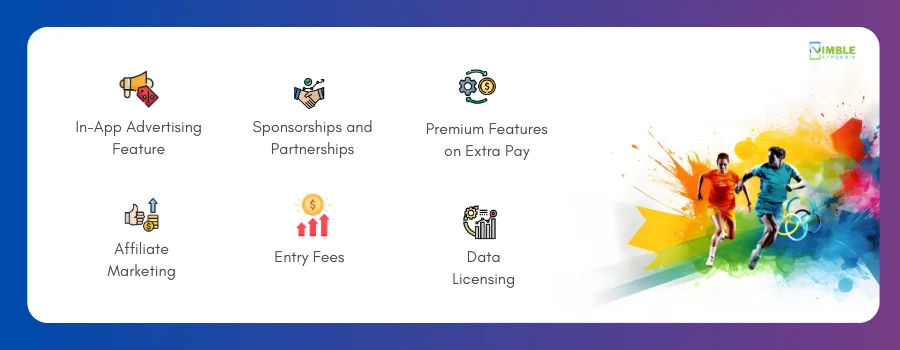
1. In-App Advertising Feature
Implement an in-app advertising feature in the app. It can help you post ads in different ways, including banner ads and native ads, which are useful to generate revenue.
Run ads that can be based on the number of clicks within the app. Here, you can run targeted ads by leveraging user data and engagement metrics.
2. Entry Fees
This is the most common monetization strategy. Here, users pay entry fees to participate in leagues and contests. This strategy has the potential to generate significant revenue during popular sports sessions.
A portion of such fees can be allocated to prize pools. You can also offer a buy-in level that caters to diversified user budgets and preferences.
3. Premium Features for Extra Pay
The feature can be for users who pay extra for premium services. Here, you can offer advanced analytics, player rankings, and customized reports for a subscription fee.
It is one of the monetization models that adds to the user experience while also generating high revenue. Here, you can also offer expert advice by charging extra to the user.
4. Sponsorships and Partnerships
Try to collaborate with sports teams, leagues, brands, and media outlets to secure sponsorship deals, licensing agreements, and partnerships.
For instance, you can contact sports accessories providers and ask them to sponsor a league or game. They can also offer some cash rewards that can encourage users to play games.
5. Affiliate Marketing
It is one of the best sources of income. Here, you can earn a commission by promoting the products of third parties.
You can collaborate with sports equipment and merchandise, along with the sports betting platforms, to earn a commission for each sale and referral. Try to connect with sports merchandise retailers, streaming services, and ticketing platforms to earn commission.
6. Data Licensing
After you know how to make a fantasy sports app, you will collect a vast amount of data about your users. This data can be helpful further in building reports based on the preferences of the users regarding sports and the number of bets on a particular sports app.
These reports can be sold in exchange for revenue to the sports brands. Here, you need to ensure the privacy of the app users by securing their data.
What are the Popular Fantasy Sports App Development Trends in 2026?
The different trends to create a fantasy sports app are AI, ML, and more.
Here is a table stating all the current fantasy sports app trends for 2026:
| S.N. | Trend | What it means | Tech/Tools Involved | Impact Level |
| 1 | AI-powered lineup assistant | AI suggests optimal player picks, predicts injuries, and auto-optimises rosters based on live data | OpenAI API · TensorFlow · Python ML · Sportradar feed | Very high |
| 2 | Pick’em & simplified formats | 30-second “higher or lower” contests replacing complex salary-cap DFS: drives casual user growth fast | WebSocket · Redis · Simple scoring engine | Very high |
| 3 | Live in-game contests | Users draft or swap players mid-game based on live performance: second-by-second engagement | Kafka · WebSocket · Real-time DB (Firestore) | Very high |
| 4 | Social & community features | Group chats, reactions, trash talk boards, and friend leagues: Sleeper’s model proving word-of-mouth beats ad spend | WebSocket · Firebase · Push (FCM) · WhatsApp API | High |
| 5 | Esports fantasy leagues | Fastest-growing new category globally: covering League of Legends, Valorant, CS2, and more | Riot Games API · Steam API · Custom scoring engine | High |
| 6 | Hyper-localisation | Regional sports (cricket in India, soccer in LATAM) with local languages, currencies, and leagues | i18n (next-intl) · Multi-currency · Regional CDN | High |
| 7 | AR / VR experiences | AR player stat overlays, VR draft rooms, and smartwatch live updates for immersive engagement | ARKit · ARCore · WebXR · Unity · WatchOS / WearOS | Medium–High |
| 8 | NFT & blockchain rewards | Tokenised player cards, on-chain ownership of digital assets, and blockchain-verified prize payouts | Ethereum · Polygon · Solana · IPFS · Smart contracts | Medium |
| 9 | Wearable & IoT integration | Real-time stadium data, biometric player tracking, and push alerts delivered to smartwatches | Apple Watch SDK · Google Fit API · IoT event streams | Medium |
| 10 | Minimalist UI / UX | Clean, clutter-free interfaces optimised for mobile-first users: reducing friction in onboarding and play | React Native · Flutter · Tailwind · Micro-animations | Foundational |
| 11 | Voice-enabled controls | Users set lineups, check scores, and manage trades via voice: improving accessibility and hands-free use | Whisper API · Google Speech-to-Text · Siri Shortcuts | Emerging |
| 12 | Responsible gaming tools | Spend limits, cool-off periods, and AI-driven risk alerts: now required in regulated markets | AI anomaly detection · Compliance APIs · Age verification | Compliance |
What are Some Best Practices for Fantasy Sports App Development?
When you enter the industry of fantasy sports apps, there can be certain challenges that you might face. Thus, you can avoid the fantasy sports app development mistakes by including significant tips.
Best practices for creating a fantasy sports app are essential to know the methods for differentiating your app from competitors.
Here’s a List of Tips to Consider While Creating Your Fantasy Sports App :
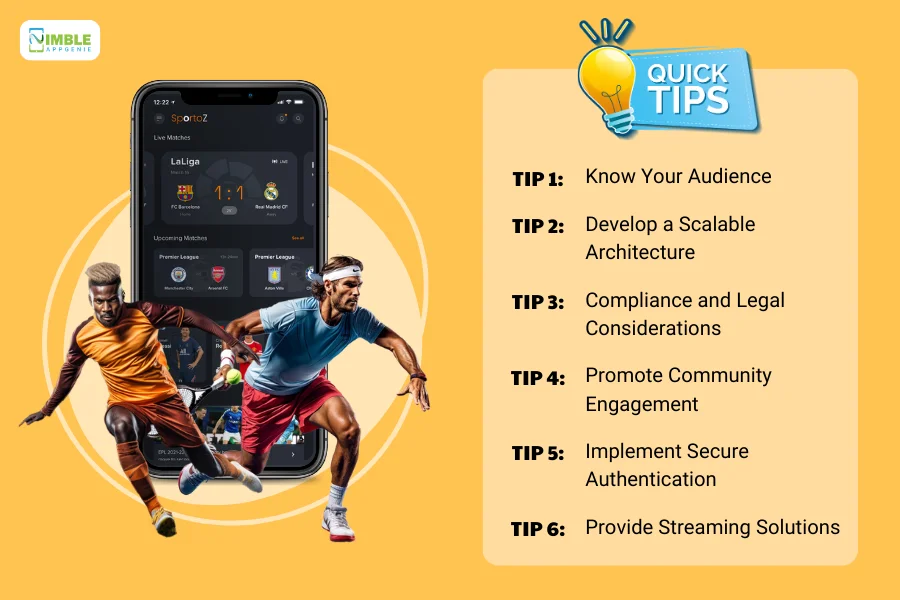
1. Know Your Audience
Never start creating an app without understanding your core audience. Otherwise, it can lead to failure. Set demographics and try to understand the behavior of the app user.
2. Developing a Scalable Architecture
Design the app architecture so that it can have a robust backend infrastructure to enable it to handle varying levels of user traffic, future expansion, and data processing.
3. Compliance and Legal Considerations
Multiple states do not allow wagering on fantasy sports apps. Thus, launch your app accordingly so that it can enable your app’s legal presence in certain regions.
Thus, it is vital to evaluate the legal compliance for fantasy sports app development before you launch the app in the market.
4. Promoting Community Engagement
The app should contain features that enable the user to ensure social interaction. Foster a sense of community engagement with interactive content and engagement activities such as live chat.
5. Implementing Secure Authentication
Here, you need to ensure a secure authentication mechanism and encryption protocols with the user verification procedure to safeguard the user accounts and sensitive information.
6. Providing Streaming Solutions
Improve user engagement by providing streaming solutions to the user and by integrating live streaming. Here, you can also allow the user to connect over OTT platforms.
How Nimble AppGenie Can Be Your Trusted Partner in Developing a Fantasy Sports App?
Fantasy apps have grown popular due to the additional and updated features and the increasing use of technology.
Nimble AppGenie can be your trusted partner in fantasy app development. We have more than 8 years of experience as a fantasy sports app development company.
Connect with our team, and we will give you a 30-minute free consultation to give you a perfect idea of how to develop your next fantasy app and make it a success.
Well, if you are wondering about experience, we have been delivering apps for 8+ years.
Let’s walk you through our work:
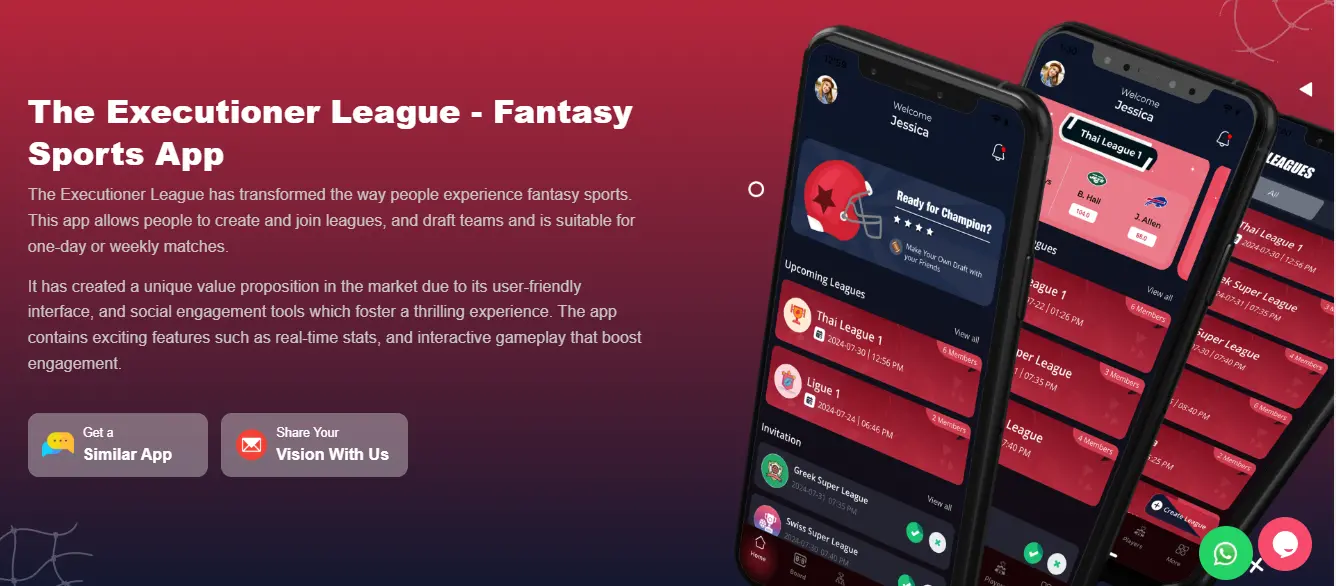
The Executioner League is a new way to play fantasy football. The app has attained success in the competitive landscape with its functionality.
Conclusion
Well, to create a fantasy sports app, you need the right guidance and a combination of technologies and innovations that can drive success.
With the key features such as user authorization, real-time scoring, social sharing, ads management, and payment gateway selection, you can effectively invest in a fantasy sports app. Connecting with the right team of developers can help you rank high among competitors.
FAQs
You can create a fantasy sports app by following these steps:
- Identify the Scope of Your Idea
- Conducting Market Study
- Selecting the Right App Design
- Choosing the Right Backend
- Testing the App
- Launch MVP First
- Improve and Final App Deployment
- Monitor & Maintenance

Niketan Sharma, CTO, Nimble AppGenie, is a tech enthusiast with more than a decade of experience in delivering high-value solutions that allow a brand to penetrate the market easily. With a strong hold on mobile app development, he is actively working to help businesses identify the potential of digital transformation by sharing insightful statistics, guides & blogs.
Table of Contents
No Comments
Comments are closed.