

 Free Consultation
 PCI-DSS Compliant
 GDPR Ready
 ISO 27001
 NDA Protected
 AI Services
 AI App Development
 Generative AI Development
 AI Chatbot Development
 AI Integration Services
 AI Consulting Services
 AI For Fintech
 AI Financial Assistant Solution
 AI Insurance Agent Development
 Tech Stack
 OpenAI / GPT-4
 Claude / Anthropic
 Gemini / Google AI
 Llama / Open Source
 LangChain / LlamaIndex
 Pinecone / Pgvector
 AWS / Azure AI


 Fintech Solution
 Core Fintech
 App Development
 Neobank Solutions
 eWallet Solutions
 Lending Software
 Banking Solutions
 BNPL Solutions
 BNPL Solutions
 Insurance App
 Wealth Management
 Crypto & DeFi
 Blockchain Development
  Payroll Software
 DeFi Solutions
 Crypto Wallet
 Crypto On/Off Ramp
 Crypto Exchange
 Trading Platform
 Payments
 Compliance
 Regulations & Compliance
 Fraud Detection
 Lending Ecosystem
 P2P Lending Platform
 Mortgage Software
 Engagement
 Fintech Outsourcing

 Mobile Development
 Mobile App Dev
 iOS App Development
 Android App Development
 React Native
 Flutter Development
 Web Solution
 Node.js Development
 React.js Development
 Angular Development
 App Services
 UI/UX Design
 App Maintenance
 By Stage
 MVP Development
 Industry Solutions
 Healthcare App Dev
 Education App Dev
 Travel App Dev
 Real Estate App Dev
 Logistics Software
 Social Media App

 Hire Mobile Developers
 Hire iPhone Developers
 Hire Android Developers
 Hire React Native Devs
 Hire Flutter Developers
 Hire Web Developers
 Hire Node.js Developers
 Hire Angular Developers
 Hire PHP Developers
 Hire Laravel Developers
 How It Works
 Pre-Vetted Developers
 Ready In 48 Hours
 NDA From Day One
 Replace Guarantee
 Company
 About Us
 Our Work Process
 Portfolio
 Case Studies
 Blog / Insights
 Careers
 Contact Us
 Awards
 Recognition


 Offices


Key Takeaways
- Minimum Viable Product (MVP) is the first and leanest version that helps businesses to launch their product with minimum features to the early adopters.
- Minimum Lovable Product (MLP) is one step ahead, which makes the users love the product by effectively making its user interface engaging from day one.
- The key difference between MVP and MLP is that one helps to launch the product fast with minimum features, while the other polishes its design to make the product attractive.
- For MVP Vs MLP, first decide whether you want answers to whether your idea is valid, or want to engage users from day one.
- Partner with Nimble AppGenie and select the right version for your product by consulting with our experts.
MVP Vs MLP- choosing the fastest version or the one that makes people love your product!
Well, selecting one can be a difficult task when it comes to your product.
But, not anymore.
In this practical comparison guide between minimum viable product and minimum lovable product, we will discuss it all, from an in-depth analysis of both the concepts, to identifying when to select one.
So, let’s dive in to learn all about MVP, MLP, and their key differences.
What is Minimum Viable Product (MVP)?
Minimum Viable Product (MVP) is the earliest, leanest version of a product that includes only essential features to serve the needs of early users and validates a business concept.
MVP is the most basic version of your app, whose main purpose is to offer clarity of your vision. Here, you get to focus on what’s important for the basic functionality of your app.
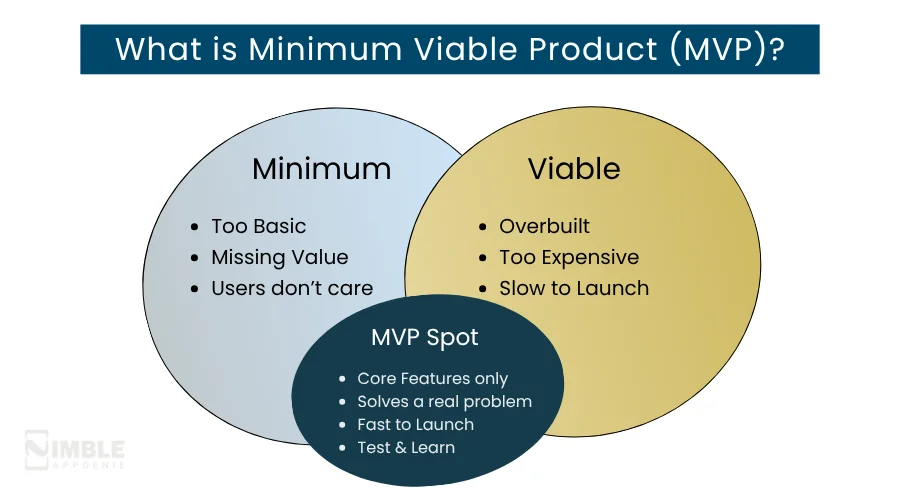
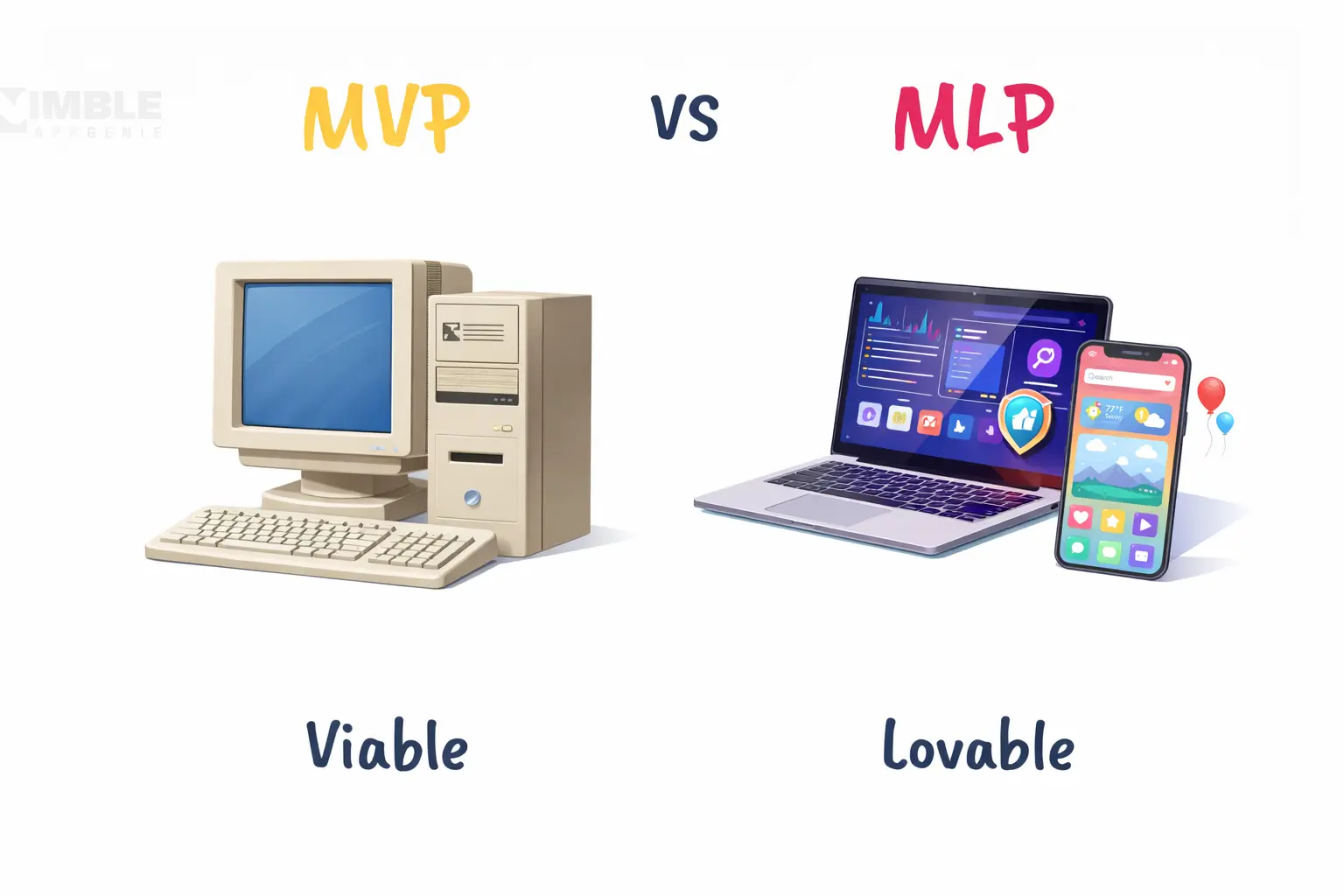
It is the smallest functional version of your idea, or you can say, it is like converting your idea into reality with an MVP. The main purpose of an MVP is to quickly release a product to market with just enough features to attract customers and gather feedback for future development.
MVP is completely driven by data updates, and is focused to solve user’s genuine issues in the present time. The estimated cost to build an MVP varies from $15,000 to $50,000, depending on the project idea, scope, features, and complexity.
Why Should You Develop an MVP?
The major reasons to invest in an MVP are to test your business idea in the market and to solve the present problems of users.
Here are other reasons to which you can connect:
- Gain Early Insight with Minimal Investment
- More affordable than building a full product
- Gather Real Feedback from Users
- Minimises the risk of failure through validating the idea
- Limited enough to avoid long development delays
- Buy time for strategic clarity
Key Features of an MVP
The key characteristics of an MVP are:
- Faster time to market
- Minimizes development cost
- Built-in feedback mechanism
- Core problem-solving features
- Offers Scalability
- User-centric validation
- Simple interface that delivers core value
- Speed to market
- Core navigation dashboard
How to Create an MVP?
You can create an MVP by going through a simple set of steps:
Step 1: Identifying the current issue faced by people
Step 2: Hiring mobile app developers
Step 3: Selecting what features can resolve the issue
Step 4: Designing the MVP
Step 5: Selecting tech stack, testing, and then launching it to market.
Step 6: Improving and Updating the MVP as per User Feedback
Apart from this, the key mistakes to avoid while building an MVP are a lack of market study, overbuilding the MVP, incomplete testing, and avoiding app security.
Real World Example of MVP
Let’s take an example of Airbnb.
Airbnb launched as a website in its early version in 2008. It was then known as Airbed & Breakfast, a basic, monolithic web app that was focused on providing air mattresses for conference attendees in cities with sold-out accommodations.
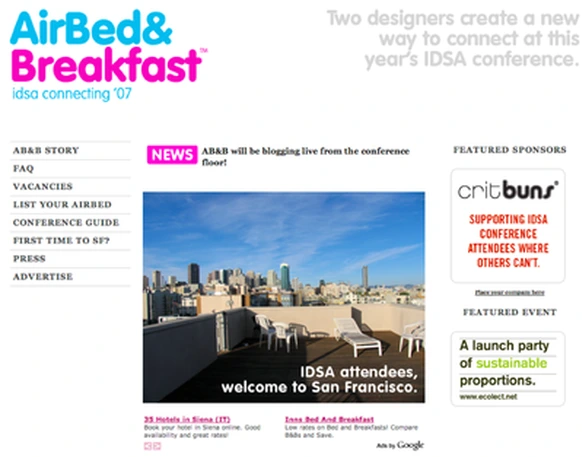
What does the MVP of Airbnb look like?
- A simple website listing with a few air mattresses in the founders’ apartment
- Basic photo and description
- No advanced search or trust systems
- Payments were handled in a very scrappy way
Basically, the goal was not to impress people; it was simply to answer:
“Will the strangers pay to stay in someone else’s home?”
Once this idea was approved by the users, they paid attention to creating everything else, such as reviews, profiles, secure payments, etc.
You can build an MVP like Airbnb by defining your goals and objectives for your next product.
Similarly, there are other examples such as Dropbox and Twitter.
Now, as you learned about MVP, let’s talk about MLP for an in-depth understanding of MVP Vs MLP.
What is Minimum Lovable Product (MLP)?
Minimum Lovable Product (MLP) is created upon a basic version by adding elements that make the users love the product. The basic intent of creating an MLP is delighting users from the start.
This is a version that not only solves a problem but also creates a positive emotional response, which can lead to stronger retention. repeat usage, and balancing the user’s interest.
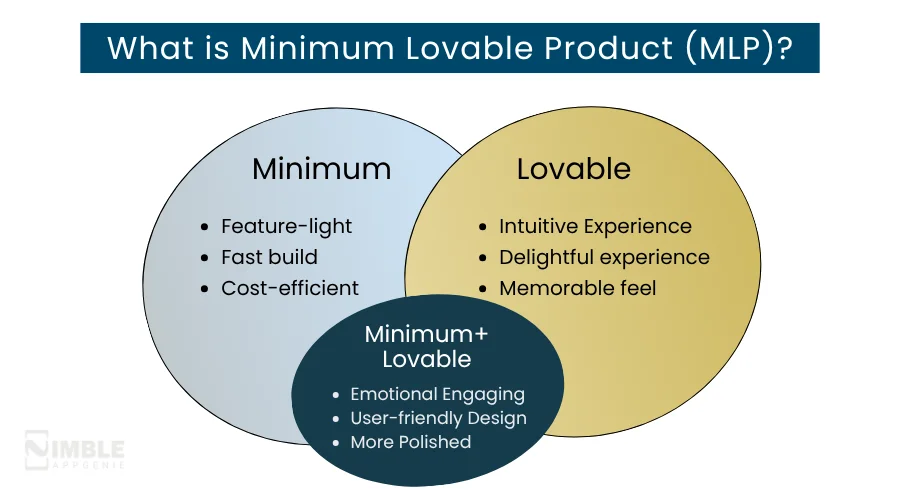
However, when you look at a comparison between MLP and MVP, MVP strictly focuses on functionality, while MLP delights customers from the very first interaction.
Here, the key aspects of lovability in MLP refer to emotional connection, focus on delight & experience, Wow features, and user empathy.
Why Should You Develop an MLP?
You should create an MLP because:
- Higher user adoption & loyalty
- Reduced risk of failure
- Focus on the core product
- Fosters immediate brand loyalty
- Enables faster feedback loops
- Increases user retention
Key Features of an MLP
The core characteristics of MLP are:
- Intentional design
- Rapid time-to-value
- Emotional outcome
- Early adopter appeal
- Iterative development
How to Create an MLP?
You can create an MLP by going through the given steps:
Step 1: Define the core value proposition
Step 2: Know your user’s feelings
Step 3: Map the user journey
Step 4: Build emotional connection via UI/UX
Step 5: Add surprise features
Step 6: Test, launch, and Iterate rapidly
Real World Example of MLP
Let’s take an example of Instagram.
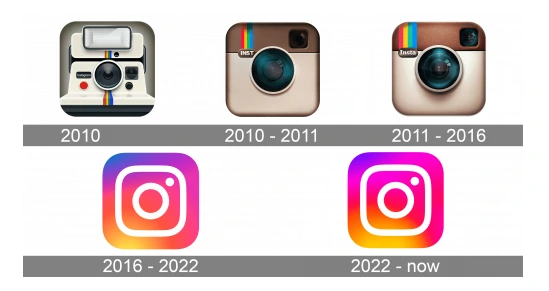
The most lovable app with almost 2 billion monthly active users.
At first, the MVP was called Burbn, then the founders realized that it was so complicated to use that users were primarily interested in its photo-sharing capabilities.
Then they improved the app and updated features by making it lovable:
- Added filters
- Clean UI
- Fast upload
- Square photos
Result: people not just used it, but enjoyed it.
This has made an MLP of Instagram. Then, as time passed, the platform added too many effective features, attracting and engaging people even now.
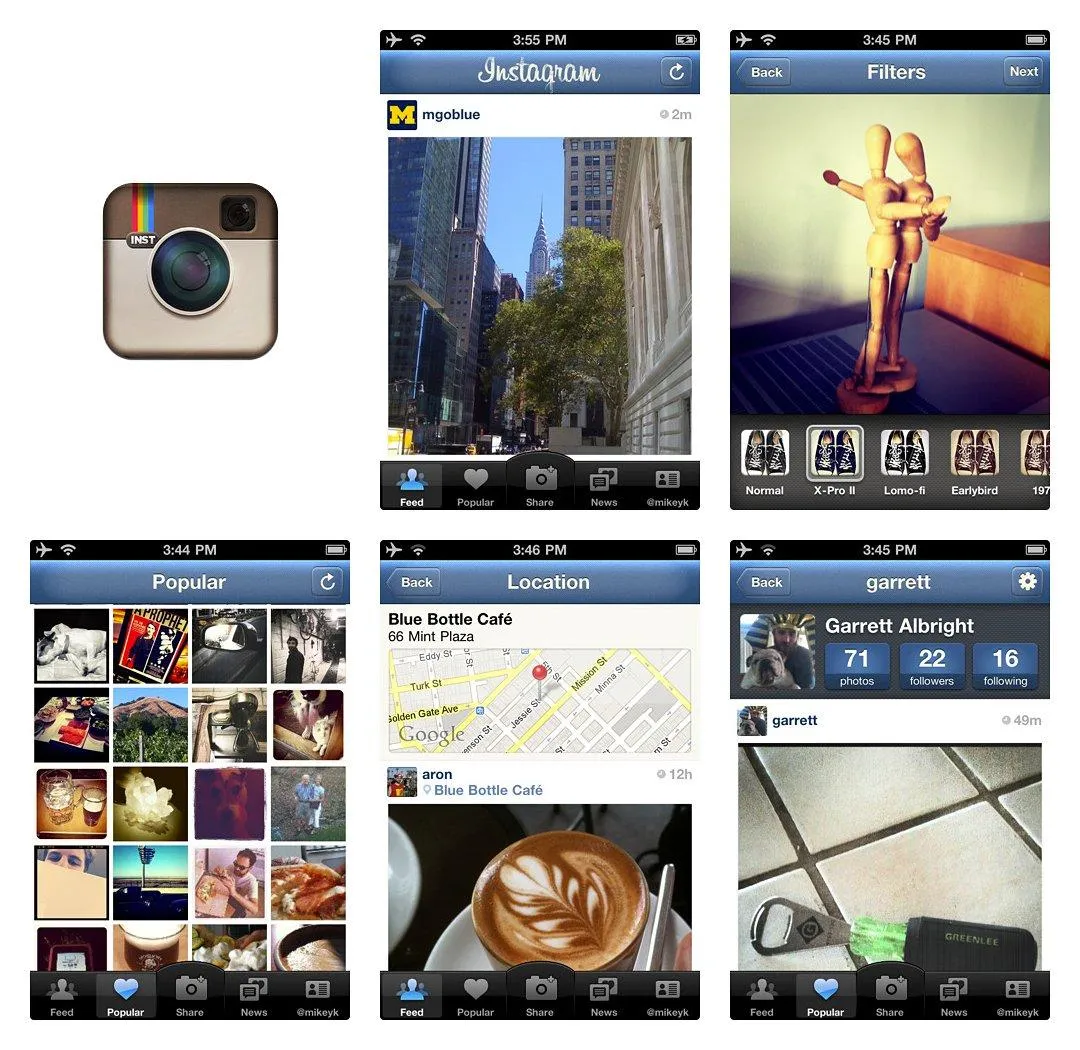
You can create an MLP like Instagram with basic features to engage your target audience by clarifying your purpose.
Other examples of MLP are Spotify, TikTok, and even Uber.
Now, let’s evaluate a quick difference between MVP and MLP in the next section.
Key Comparison Between MVP and MLP
For MVP Vs MLP, MVP is all about creating a basic functional version with minimum features; however, MLP is one step ahead, which adds a design part for engaging the target users and making a first impression attractive and retaining.
Let’s check out the given table of MVP Vs MLP in detail:
| Aspect | MVP (Minimum Viable Product) | MLP (Minimum Lovable Product) |
| Definition | A basic version of a product with just enough features to validate an idea and gather user feedback. | A version of a product that users cannot only use, but genuinely enjoy and feel connected to. |
| Primary Goal | Test assumptions and prove product viability quickly. | Create emotional engagement and user delight early on. |
| Focus | Functionality and core features. | User experience, design, and emotional appeal. |
| User Reaction | “It works.” | “I love this!” |
| Development Speed | Fast, minimal effort to launch. | Slightly slower, more polished before launch. |
| Design Quality | Basic or minimal design. | Thoughtful, attractive, and user-friendly design. |
| Feature Set | Only essential features to solve a core problem. | Essential features + small, delightful touches. |
| Risk Level | Lower cost, lower risk for testing ideas. | Slightly higher investment, but stronger user retention. |
| Feedback Type | Functional feedback (does it solve the problem?). | Emotional + functional feedback (do users enjoy it?). |
| User Retention | May be low if the product feels incomplete. | Higher due to positive user experience. |
| When to Use | Early validation stage or an uncertain market. | When aiming to build a strong brand and loyal users early. |
| Example | Airbnb started as a simple website where the founders rented out air mattresses in their apartment to validate demand. | Instagram focused early on a smooth photo-sharing experience with filters, making the app fun and highly engaging from the start. |
Well, now the question is what you should build, an MVP or an MLP?
Let’s get ahead with the same.
What is Better, MVP or MLP?
Well, to answer this, you should know what your purpose is. If you’re looking forward to grasping an early engagement in your product, MLP would be preferable; otherwise, MVP will work.
The following points will help you better decide between MVP and MLP:
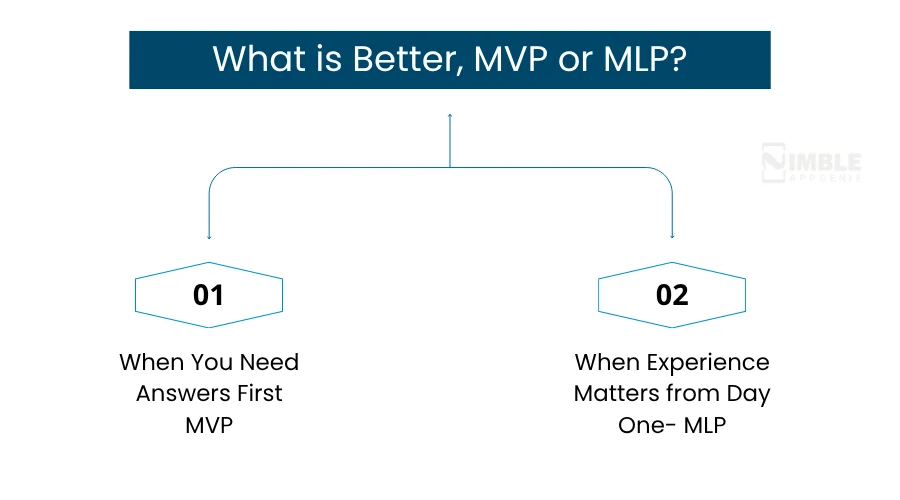
1. When You Need Answers First- MVP
You should decide what you are actually looking for.
Are you looking to determine whether your product will work?
Then the answer is you should go for MVP. If your idea solves a real problem, then opting for MVP becomes important.
For example, Airbnb wants to test whether its people will like to stay in someone else’s home!
Hence, they opted for MVP.
2. When Experience Matters from Day One- MLP
If you care about users’ experience and want to engage them from day one, then opting for MLP is the solution.
When you think that the market is competitive and user experience is a critical factor that you cannot ignore, then MLP should be your decision.
For Example, Instagram has understood that they want maximum users from day one to use their app.
Hence, they decided to make an MLP.
If you are still confused, hiring mobile app developers can help.
Factors That Might Impact Your Decision for MVP Vs MLP
The key factors that might impact your decision for MLP Vs MVP are the stage of the project, the competition, the type of product, and resources.
Let’s have a brief read:
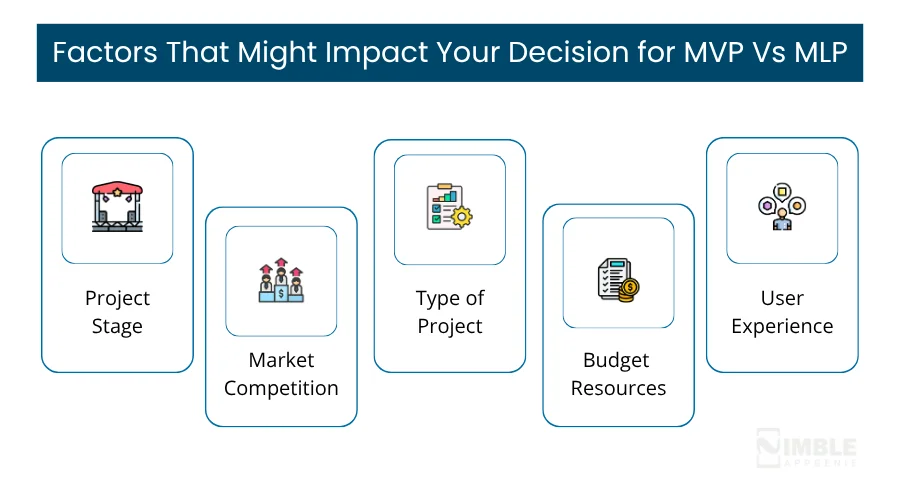
1. Project Stage
One of the crucial aspects here is the project stage. If your idea is at an initial stage, like if you still want validation from the audience, then selecting an MVP is best.
However, if you already know that your idea has demand in the market but now want users to love it, go for MLP.
2. Market Competition
If the market isn’t competitive, then MVP will work well.
But in the case of a competitive market, you need something that users love, not just use. Hence, go for MLP.
3. Type of Project
When the product solves the utility problem of users, then go for MVP.
However, in cases where your project solves a problem related to user engagement, go for MLP. Also, if you want the product to be experience driven its better to launch MLP.
4. Budget/Resources
If you have limited resources (cost + time), launch an MVP.
On the other hand, if you have enough resources and time, go for MLP.
5. User Experience
If the user’s expectations are low, launch an MVP.
However, if you know that your target audience is expecting something more, along with the experience, go for MLP.
After considering these points, you can successfully select your version.
Why Connect with Nimble AppGenie to Create Your App Version?
If you are confused about whether to launch an MVP or MLP, then connecting with the experts can help.
Nimble AppGenie is the top MVP development company, which knows well about MVP, MLP, MMP, and more. Our experts know what’s best for your project and idea.
Till now, our team has delivered 350+ projects, and our experts are trustworthy to have your idea on board.
We believe in creating dream app ideas into reality within your budget. Our team discusses your aspirations and provide your a right guidance to build your next project revolutionising.
Conclusion
Choosing between MVP and MLP depends on your product goals, market conditions, and available resources. MVP helps you validate ideas quickly with minimal investment, making it ideal for early-stage testing and learning.
In contrast, MLP focuses on delivering a delightful user experience that drives engagement and retention from the start. Successful products like Airbnb began with MVP to test demand, while Instagram evolved into an MLP to win user loyalty.
Instead of choosing one over the other, the smartest approach is to start with MVP and gradually enhance it into an MLP as your product matures.
FAQs

Madan is the Backend Solutions Architect at Nimble AppGenie, specializing in the design of secure, high-concurrency systems that power complex mobile ecosystems. With deep expertise in server-side logic and database management, he ensures every platform is built with enterprise-grade security. In his free time, he is an avid researcher of emerging technologies; he spends his time deconstructing the latest backend frameworks and reading technical papers to ensure our solutions remain at the absolute forefront of industry innovation.
Table of Contents




No Comments
Comments are closed.