

 Free Consultation
 PCI-DSS Compliant
 GDPR Ready
 ISO 27001
 NDA Protected
 AI Services
 AI App Development
 Generative AI Development
 AI Chatbot Development
 AI Integration Services
 AI Consulting Services
 AI For Fintech
 AI Financial Assistant Solution
 AI Insurance Agent Development
 Tech Stack
 OpenAI / GPT-4
 Claude / Anthropic
 Gemini / Google AI
 Llama / Open Source
 LangChain / LlamaIndex
 Pinecone / Pgvector
 AWS / Azure AI


 Fintech Solution
 Core Fintech
 App Development
 Neobank Solutions
 eWallet Solutions
 Lending Software
 Banking Solutions
 BNPL Solutions
 BNPL Solutions
 Insurance App
 Wealth Management
 Crypto & DeFi
 Blockchain Development
  Payroll Software
 DeFi Solutions
 Crypto Wallet
 Crypto On/Off Ramp
 Crypto Exchange
 Trading Platform
 Payments
 Compliance
 Regulations & Compliance
 Fraud Detection
 Lending Ecosystem
 P2P Lending Platform
 Mortgage Software
 Engagement
 Fintech Outsourcing

 Mobile Development
 Mobile App Dev
 iOS App Development
 Android App Development
 React Native
 Flutter Development
 Web Solution
 Node.js Development
 React.js Development
 Angular Development
 App Services
 UI/UX Design
 App Maintenance
 By Stage
 MVP Development
 Industry Solutions
 Healthcare App Dev
 Education App Dev
 Travel App Dev
 Real Estate App Dev
 Logistics Software
 Social Media App

 Hire Mobile Developers
 Hire iPhone Developers
 Hire Android Developers
 Hire React Native Devs
 Hire Flutter Developers
 Hire Web Developers
 Hire Node.js Developers
 Hire Angular Developers
 Hire PHP Developers
 Hire Laravel Developers
 How It Works
 Pre-Vetted Developers
 Ready In 48 Hours
 NDA From Day One
 Replace Guarantee
 Company
 About Us
 Our Work Process
 Portfolio
 Case Studies
 Blog / Insights
 Careers
 Contact Us
 Awards
 Recognition


 Offices


In a Nutshell:
- Restaurant apps make money through subscription models, commission-based pricing, in-app advertising, surge pricing, data monetization, and loyalty programs.
- With 96% of apps free, strategic monetization is essential in a $14.70 billion market by 2030.
- Freemium models and gift cards convert free users into paying customers for sustainable revenue.
- Select the right model by evaluating requirements, analyzing alternatives, and considering budget constraints.
- Nimble AppGenie helps implement expert-driven monetization strategies from concept to launch.
Wondering how restaurant apps make money? If you are building one, you’ve probably already obsessed over the features. But here’s the thing, features don’t pay the bills. Your business model does. And without a clear monetization strategy, even the best app is just an expensive product.
Here’s the good news. The global online food delivery market is on track to hit $728.83 billion by 2034. The opportunity is massive. But so is the competition, and that means you can’t afford to figure out revenue later.
So the real question isn’t just how to build a restaurant app. It’s how you actually make money. The answer? Subscription plans, commission-based pricing, in-app advertising, surge pricing, the freemium model, and more.
The apps winning right now aren’t picking just one. They’re stacking two or three, so if one stream slows down, the others hold you up. That’s exactly what this guide breaks down: each model, how it works, who’s using it, and how you figure out what fits your app.
So, let’s begin!
An Overview of Restaurant Apps
Before you learn about the top restaurant app business models, let’s learn the basics. A restaurant app is a web-based app designed for users to search for nearby or any top restaurant, reserve a table, order food, make a pickup, and join loyalty programs.
These apps are designed to enhance the user experience through digital menus, real-time tracking of food, push notifications, and table reservations.
Let’s switch to numbers and figures to evaluate the current market of restaurant apps.
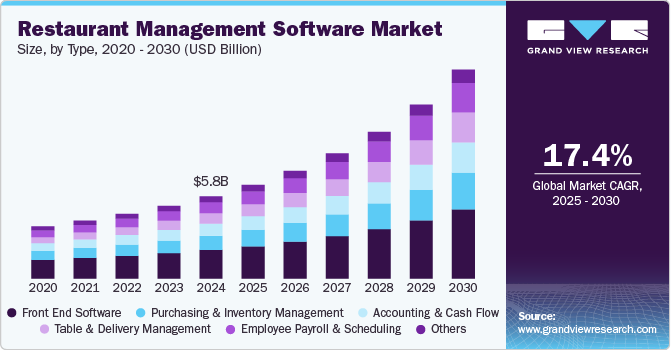
- The global restaurant management software market size was estimated at USD 5.79 billion in 2024, and is further projected to grow to USD 14.70 billion by 2030, growing at a CAGR of 17.4% from 2025 to 2030.
- When it comes to the POS restaurant management software, the estimated market is valued at USD 18.5 billion in 2025 and is projected to reach USD 56.9 billion by 2035, that is growing at a CAGR of 11.9%.
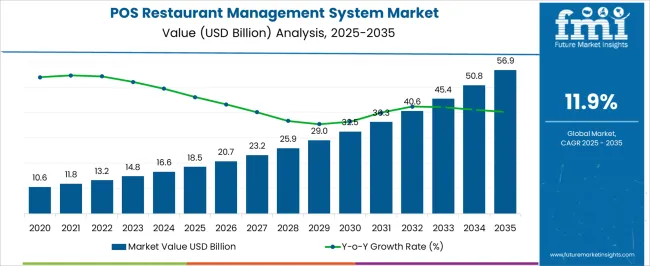
- The key growth regions in the POS (point of sale) restaurant management system market are North America, Asia-Pacific, and Europe.
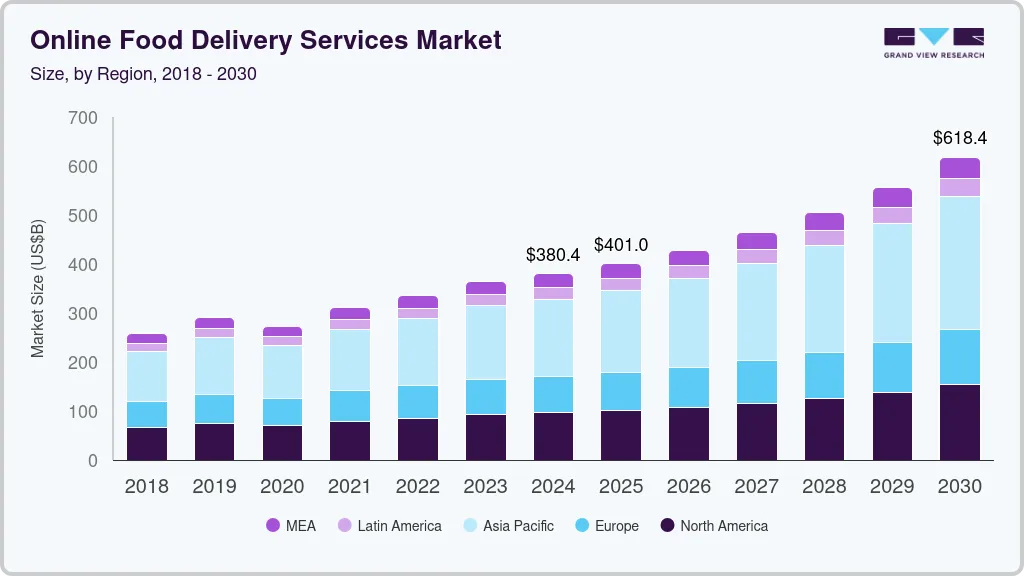
- Additionally, if it comes to the food delivery market, it is expected to hit USD 618.36 billion by 2030.
Well, considering these stats and the growing market, you might be thinking about how to build a restaurant app with effective features and the right business model. The answer to this question is through hiring dedicated mobile app developers.
When it comes to app development, one of the major errors that one commits is finding the right restaurant app money-making strategy. Yes, many of the entrepreneurs even forget about including a restaurant app monetization model.
Are you the one confused about why monetization is needed for a restaurant app?
Then, the following section is for you.
Why Monetize Restaurant Apps in 2026?
There are many reasons to monetize a restaurant app, such as generating a source of revenue, improving users’ trust, offering operational efficiency, and opting for a competitive advantage.
Hence, prior to learning how restaurant apps make money, let’s evaluate why!
Let’s discuss all the reasons here:
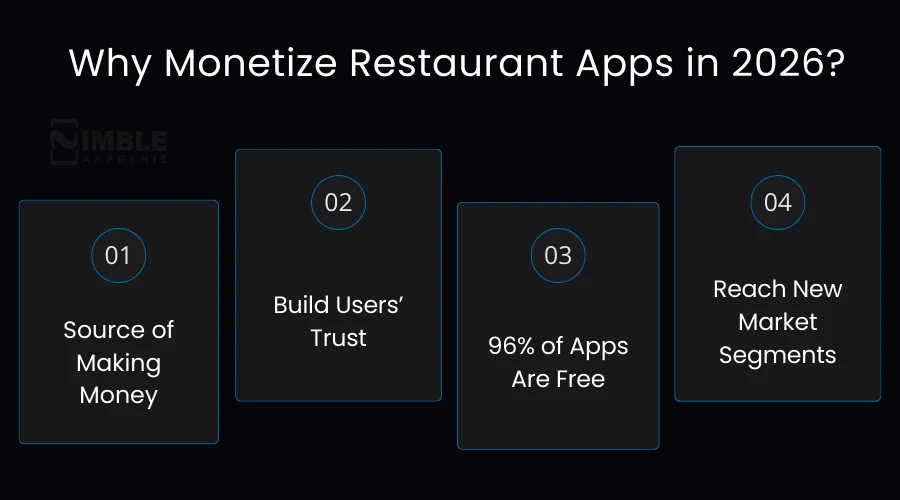
► Source of Making Money
Monetizing restaurant apps offers a source of revenue that is a major and important reason to opt for monetization. The restaurant app business models can offer methods for converting non-revenue-generating assets into tangible income streams.
Whether you opt for advertising, subscription plans, or even affiliate marketing, it will open up sources of earning revenue for your business.
► Build Users’ Trust
The restaurant’s money-making models help to builds user’s trust through offering transparency, providing clear and tangible value. Monetization helps users to effectively connect with the brand through presentable business models.
These restaurant app money-making models builds user’s trust when they are implemented as an ethical and value-driven extension to the mobile apps.
► 96% of Apps Are Free
Do you know that as of September 2025, approximately 95.37% of all iOS apps were available for free, while this share is 96.99% for the Google Play Store?
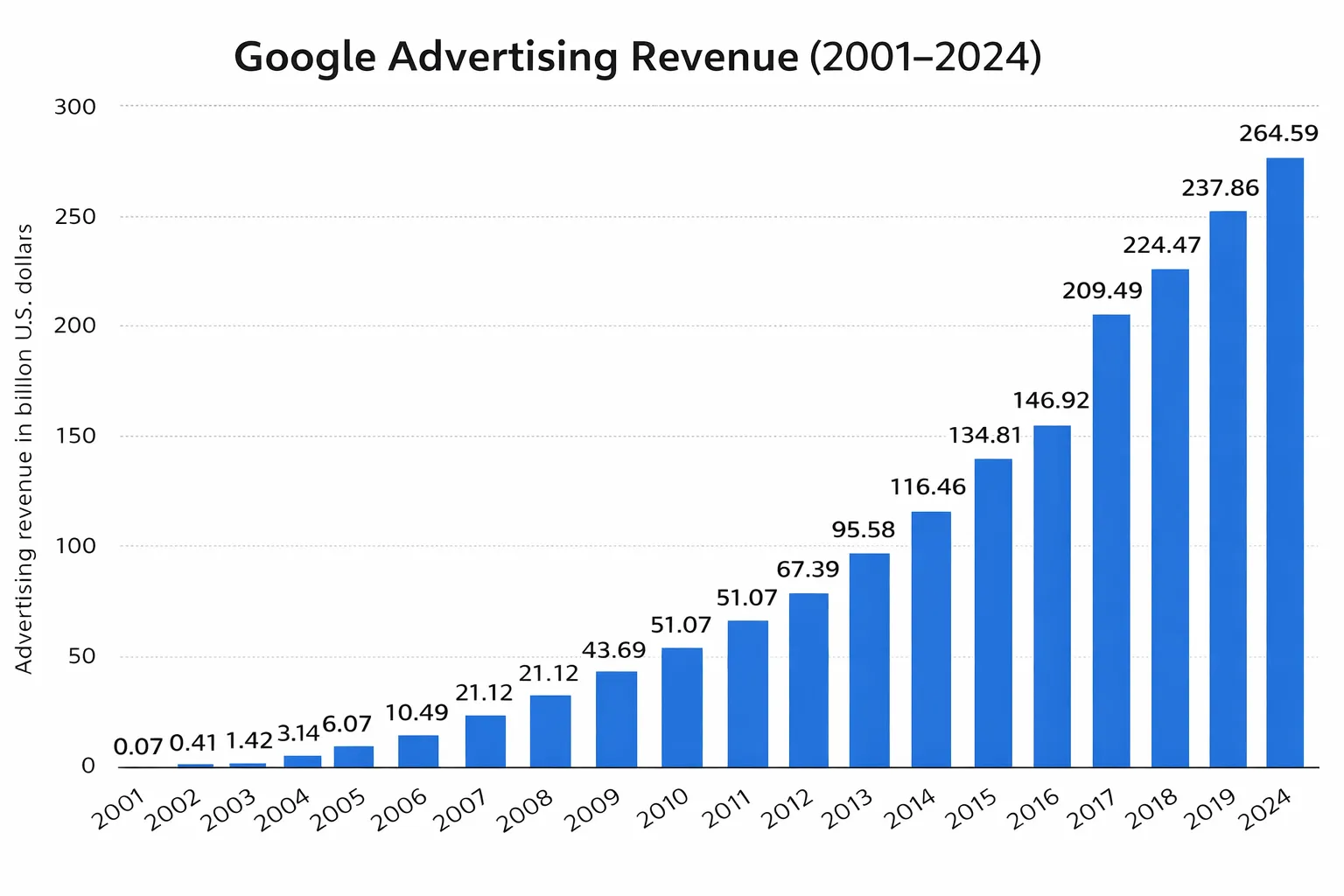
Yes! And this percentage can further increase in the near future. When it comes to Google’s ad revenue, it amounts to 264.59 billion U.S dollars. The company generates advertising revenue through its Google Ad platform.
Hence, investing in money-making models is essential to contribute to this growing market of apps.
► Reach New Market Segments
Adding money-making models for restaurant apps can help you to evaluate what the audience is seeking and explore new markets.
Such as offering a small discounts while reserving seats via app can help you to bring awareness to your restaurants and then acquire new customers. There are large chains of restaurants that use these models and tactics successfully to reach new markets.
Well, after considering the reasons, are you ready for restaurant app business models?
Yes! As you are ready to avoid restaurant app development mistakes, such as ignoring money-making models.
Let’s discover them all in the preceding section.
How Do Restaurant Apps Make Money?
The restaurant apps make money through subscription plans, advertising, in-app purchases, surge pricing, freemium model, sponsorship model, etc. When you implement these monetization strategies for your restaurant app, it can help you with a higher ROI.
Let’s have a look at the top restaurant app monetization models:
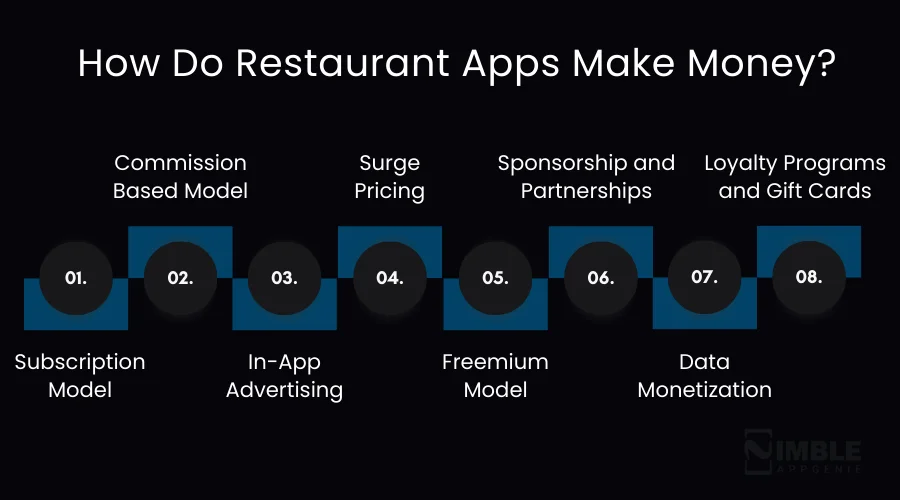
1. Subscription Model
One of the core restaurant app monetization models is a subscription strategy. A subscription model is all about a loyalty program where the customers pay a recurring fee for accessing the app continuously.
This model can be a recurring money-making model for your restaurant app. It creates predictable, stable, compounding revenue rather than relying on one-time sales.
The subscription model increases customer lifetime value (CLV), fosters long-term loyalty, and allows for an accurate financial forecasting for your restaurant app.
2. Commission-Based Model
This is a popular restaurant app money-making model for your app. Here, you can charge a commission fee from the restaurants and from the diners to be on your platform.
Here, you will act as a third-party platform that will charge restaurants a commission percentage based on bookings and availability on the platform.
On the other hand, you can charge the users a convenience fee for booking the tables in the restaurants. This can be a regular earning restaurant app revenue model if you are into such a type of business.
3. In-App Advertising
Here, you can connect with other brands that are not in your domain to promote their businesses on your app. In exchange, you can charge a regular fee that will act as a restaurant app money-making source.
In this model, you can display third-party ads to the users, generating revenue via clicks, impressions, and actions.
This is a great way to begin with generating revenue; however, this business model can provide additional income only. This model can work only if you have a desired number of followers and effective contacts with other brands.
4. Surge Pricing
This is a suitable supply and demand-based restaurant app revenue model. Here, you can increase the prices of booking a table in your restaurant with an increase in demand, and vice versa.
This pricing model automatically raises prices for the tables in real-time when demand is high. You can use AI-driven algorithms to monetize this restaurant app monetization model.
It is an advanced strategy that will help you to maximize your profit margins when the demand is high. This surge pricing balances demand, reducing or encouraging overall order volume during specific times.
It is a money-making model that helps companies to earn more during periods of high demand.
5. Freemium Model
Basically, the freemium model involves giving away a base product for free, but charging for more advanced versions. This model drives user acquisition by offering free essential services such as digital menus, basic ordering, and reservation booking.
While charging on the premium features such as fast delivery, exclusive discounts, and advanced loyalty programs.
This can be a recurring revenue-generating model for restaurant apps, which helps to acquire target users, further helps to build a large user base, and can be further converted to paid customers.
The economics of freemium is not to convert all the customers into paying ones, yet it’s about connecting more users, even the ones who do not subscribe to premiums brings value to the restaurant apps indirectly.
6. Sponsorship and Partnerships
The restaurants earn through sponsorships by securing financial, in-kind, or marketing support from vendors and local businesses, in exchange for brand visibility and exclusive rights.
While in same cases, when the app’s user base is large, it makes much more sense not to charge the app users for using the app to partner with the company that will compensate the app’s owner.
This monetization model will drive revenue through increasing visibility of other brands and partners on your restaurant app. It is a model that works well only when your app has a designated number of users, as it can provide you with an additional source of revenue.
7. Data Monetization
Data monetization works well only when the restaurant apps take permission from the users to monetize their data. This restaurant app’s money-making model turns the user behavior, ordering history, and location data into revenue via internal optimization.
It is a restaurant app monetization model where company-generated data is traded against revenue. It can provide you with an additional source of revenue by monetizing the user’s data via reports to other brands and companies in exchange for money.
8. Loyalty Programs and Gift Cards
Loyalty programs and gift cards are among the best restaurant app monetization models where you can boost user retention. Here, you can offer loyalty programs and gift cards to the users or even extra discounts to retain the customer in the long run.
These models are strategic tools that are designed to earn an extra source of revenue by offering perks to consumers for repeat purchases.
Here, these restaurant apps reward customers with points, discounts, and exclusive access while providing businesses with valuable data to personalize marketing and increase profitability.
Now, following these restaurant app monetization models, let’s get ahead with how the top restaurant apps generate revenue, in the following sections.
How Top Restaurant Apps Generate Revenue?
If you are considering a business model like OpenTable, the brand follows a B2B model that charges restaurants, rather than diners, using a combination of monthly fees for its restaurant management software. Similarly, many apps have their own revenue-generating model.
Let’s discuss how the top restaurant apps earn revenue, below:
♦ OpenTable
Let’s begin with understanding the revenue model of OpenTable. The brand facilitates the transactions between diners and the restaurant.
It do provides a streamlined booking experience for the users and a robust backend system for the restaurant owners so that they can optimize seating and gather customer insights.
You can build an app like OpenTable by following the right strategies and including the valuable money-making models.
♦ TheFork
TheFork can be considered as a competitor for OpenTable. The company earns money via a marketplace model by connecting diners and restaurants while charging the restaurants for bookings, software, and marketing services.
You can create a restaurant app like TheFork by opting for a marketplace model and connecting with effective developers to help you design it successfully. The company allows restaurants to handle reservations, manage floor plans, and reduce no-shows.
♦ Resy
Resy is a popular restaurant app and website that allows users to discover nearby restaurants and then book tables at thousands of restaurants.
One of the prime restaurant app revenue-generating models that Resy uses is monthly subscription fees that are charged to restaurants.
The brand generates revenue through monthly subscriptions that includes transaction-fees for prepaid reservations, event tickets, and enhanced data-driven marketing tools.
♦ Eat
An Eat app is a comprehensive cloud-based restaurant management system that helps to connect restaurants and their users. The app facilitates real-time online restaurant reservations for restaurants and diners.
Eat app earns money through a SaaS and subscription-based model by earning commissions and charging users based on their reservations. The app do uses freemium models and provides discounts to the users on first bookings.
Now, after discussing the top apps, are you ready to adopt the right restaurant app business model for your business?
If yes, then in the following section, we have discussed the complete list of steps to select the top restaurant app monetization model for your business.
Steps to Select the Best Restaurant Business Model For Your App
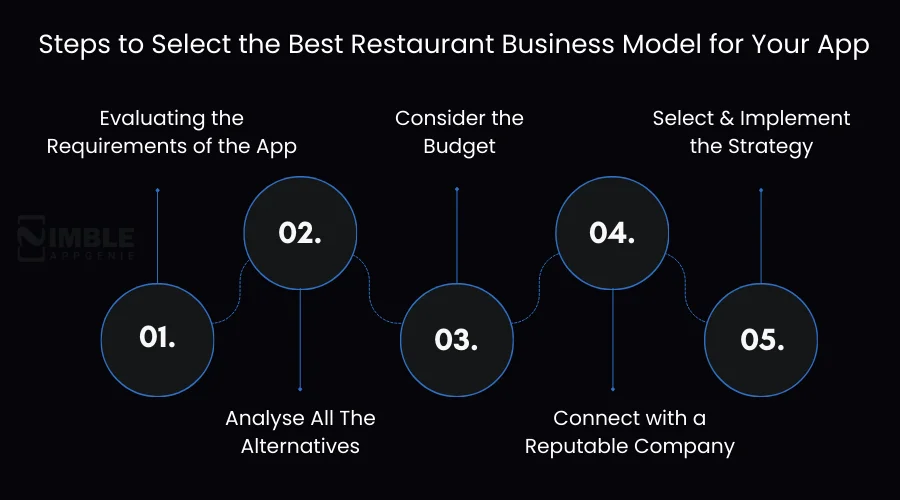
The diversified steps to select the best restaurant business model begin with market research and ends on selecting the right model.
Let’s figure out all the steps below:
➤ Evaluating the Requirements of the App
Every app is different, hence selecting the right restaurant app business model depends on evaluating your core requirements based on the app and the target audience. This is your first step towards selecting the business model.
➤ Analyse All the Alternatives
Now, you should identify the what are the different alternatives available for your restaurant app. Here, you need to learn about every restaurant app revenue model in detail, its pros and cons, to shortlist them for your app.
➤ Consider the Budget
Implementing the right business model will require a budget; it’s significant for you to evaluate every aspect of your revenue. Along with this, you should identify more options and then customize them all as per your budget.
➤ Connect with a Reputable Company
You should connect with a leading mobile app development company to implement the business model in your restaurant app. You can even discuss the complete plan and ways to customize the business strategy as per your business.
➤ Select and Implement the Strategy
Now, you need to select and implement the right restaurant app money-making strategy as per the requirements of your app.
Why Choose Nimble AppGenie to Build a Custom Restaurant App?
Choosing Nimble AppGenie as your restaurant app development company is useful when you want to solve real-day-to-day issues, not just launch a mobile app.
Many restaurants struggle with order mix-ups, slow delivery tracking, and customers leaving due to poor app experience. But we focus on fixing these exact gaps.
Instead of using fixed templates, we thoroughly analyze how your restaurant runs—like dine-in vs delivery ratio, peak hours, and repeat customer behavior.
Based on that, we build features like smart order routing, live kitchen updates, and simple reordering for customers. This directly improves order speed and customer retention.
Additionally, we also plan for growth from the start. Whether you add more outlets or expand delivery areas, our developers build the solution to handle higher traffic without slowing down.
Besides, our process is practical and transparent, so you always know what is being built and why. This makes them a better fit for restaurants that want results, not just an app.
Ready to turn your idea into a high-performing app and see how restaurant apps make money in real terms? Get in touch with Nimble AppGenie and start building a solution that drives orders, boosts revenue, and supports your growth.
Why Nimble AppGenie Stands Out:
- Custom restaurant app development for your business needs.
- Visually appealing UI/UX for better user experience.
- Easy integration with POS, payments, and delivery systems.
- end-to-end app development services.
- Ongoing support and regular maintenance.
Conclusion
Now you know exactly how restaurant apps make money. It’s not one big secret. It’s picking the right model, or two, that fits what you’re building and who you’re building it for.
You can start with subscriptions if you want a predictable income. Layer in commissions if you’re running a marketplace. Additionally, you can add ads or partnerships once you have the traffic. You don’t need all of them. You need the right ones.
The apps making real money are not the flashiest ones. They’re the ones with a clear revenue strategy behind every feature. So, if you want to monetize your restaurant application, then choose the best monetization models.
FAQs

Niketan Sharma, CTO, Nimble AppGenie, is a tech enthusiast with more than a decade of experience in delivering high-value solutions that allow a brand to penetrate the market easily. With a strong hold on mobile app development, he is actively working to help businesses identify the potential of digital transformation by sharing insightful statistics, guides & blogs.
Table of Contents




No Comments
Comments are closed.